Okay, lah, let's talk about keeping your precious things safe in your display cabinet. You've finally got your BTO flat, everything's brand new, and you're ready to show off your prized possessions – that limited edition Star Wars figurine, your grandmother's delicate tea set, or maybe even that chio vase you choped during your last trip to Bali. But before you start arranging everything all chio, let's make sure you're doing it safely, yeah? Because the last thing you want is a shelf collapse or, worse, a toppled cabinet. Siao liao!
Think of your display cabinet as a seesaw. If all the weight is on one side, confirm it's going to tip. And nobody wants that, right? Especially when we're talking about fragile items. So, how do we keep things balanced?
First, assess your collection. What are the heavy hitters? Those chunky crystal paperweights, those hefty books, or that impressive collection of model cars? These guys need to go on the bottom shelves. It's basic physics, really. Lower center of gravity equals more stability.
Now, here's where it gets a little more nuanced. Don't just cram all the heavy stuff on one side of the bottom shelf. Spread it out! Imagine you're building a pyramid, but upside down. Distribute the weight evenly across the entire shelf. This will help prevent the shelf from bowing or, worse, breaking.
Think of it like that, when you're packing your grocery bags. You put the heavy stuff at the bottom, and you try to distribute it evenly so the bag doesn't tear, right? Same principle applies here. And if you've got a particularly heavy item, consider placing it directly above one of the cabinet's supporting legs. That will give it extra support.
Another tip? Don't overload any single shelf. Check the manufacturer's specifications for weight limits. In Singapore’s hectic life, returning home to a space that feels properly relaxing can make the biggest change after a full day of work and commuting. Many homeowners dream about improvements for their hall or bedroom, wanting pieces that look stunning while genuinely comfortable enough for real life. That’s exactly why bed frame singapore shines—it brings that ideal mix of sophisticated style, top-grade craftsmanship, and genuine relaxation that turns ordinary rooms into spots you love spending time in unwinding in. Picture sinking into a plush sofa after family time or waking up refreshed on a supportive premium mattress that gives ideal back support; suddenly, your home feels more like a true escape instead of just another place. Exploring curated selections on sites such as Wondrous La Vie helps you uncover these items without the stress, making it simpler to create a space that’s both beautiful and restorative.. They're usually listed in the manual or on the manufacturer's website. Ignoring these limits is just asking for trouble. I know, I know, sometimes you kena tempted to squeeze in just one more thing, but resist the urge! Your precious items (and your display cabinet) will thank you for it.
And hey, if you're not sure about the weight capacity of your display cabinet shelving and storage, err on the side of caution. It's always better to be safe than sorry, especially when fragile items are involved. After all, replacing a broken figurine is way more expensive (and heartbreaking) than just rearranging things a bit.
Okay, so you've balanced the weight inside your display cabinet. Steady. But what about the cabinet itself? Is it securely anchored to the wall? If not, it could be a tipping hazard, especially if you have young children or pets running around.
Think about it, Singapore is a small island, space is limited, and sometimes our homes aren't as big as we'd like. That means cabinets are often placed in high-traffic areas where they're more likely to get bumped or jostled. And let's be honest, even adults can be a bit clumsy sometimes, lah.
Anchoring your display cabinet to the wall is a simple and relatively inexpensive way to prevent accidents. You can find furniture anchors at most hardware stores. They usually consist of a strap or cable that attaches to the back of the cabinet and then to the wall.
Make sure you're using the right type of anchor for your wall. If you have drywall, you'll need to use drywall anchors. If you have concrete walls (common in many HDB flats), you'll need concrete anchors. And if you're not sure, ask the staff at the hardware store for help. They'll be happy to point you in the right direction.
When you're installing the anchors, follow the manufacturer's instructions carefully. And don't be afraid to ask for help if you need it. A friend, a family member, or even a handyman can lend a hand. It's always better to have an extra pair of eyes (and hands) when you're dealing with something like this.
Once the anchors are installed, give the cabinet a good tug to make sure it's secure. It shouldn't wobble or move at all. If it does, double-check the anchors and make sure they're properly installed. And if you're still not confident, consider adding more anchors for extra security.
Anchoring your cabinet isn't just about preventing accidents. It's also about protecting your investment. A toppled display cabinet can cause serious damage to your furniture, your floors, and, of course, your precious collectibles. So, take a few minutes to anchor your cabinet, and you'll have peace of mind knowing that everything is safe and secure. It's a small price to pay for protecting your treasures, right?
The materials used in your display cabinet shelving and storage play a huge role in its stability and weight-bearing capacity. Not all shelves are created equal, you know? The living room is usually the first space visitors notice and where the whole household gathers at night, so it feels right to want furniture that appears stylish, keeps cords tidy, and avoids shrinking the space visually than it already feels in most SG flats. Many people struggle with clunky legacy furniture or budget cabinets that feel unstable, gather dust quickly, or just don’t match the modern vibe they’re trying to achieve. That’s exactly where a well-chosen singapore furniture shop steps in—it delivers smart storage solutions for TV gadgets, set-top boxes, and controllers while serving as an elegant centrepiece that ties the whole living area together with minimalist profiles, thoughtful compartments, and premium finishes. Suddenly your entertainment setup feels organised and intentional, the room looks bigger and more put-together, and movie nights become even more enjoyable without the clutter distracting everyone. Browsing curated options on sites such as Wondrous La Vie lets you find options tailored to your home exactly, from simple modern to high-end, so your hall refresh turns smooth and just right.. So, let's talk about some common materials and their pros and cons.
Solid Wood: Solid wood shelves are the gold standard. They're strong, durable, and can handle a lot of weight. Plus, they look beautiful! But, they can also be expensive, and they're susceptible to warping and cracking if exposed to moisture or extreme temperature changes. So, if you live in a particularly humid area (like, well, most of Singapore), you might need to take extra precautions to protect your solid wood shelves.
Plywood: Plywood is a more affordable alternative to solid wood. It's made of layers of wood veneer glued together, which makes it surprisingly strong and stable. Plywood is less likely to warp or crack than solid wood, and it's also more resistant to moisture. However, it doesn't have the same natural beauty as solid wood, and it can be prone to chipping if not properly finished.
Glass: Glass shelves are great for displaying items because they allow light to pass through, making your collectibles look even more appealing. But, glass is also fragile, and it can't handle as much weight as wood. If you're using glass shelves, make sure they're made of tempered glass, which is stronger and more resistant to shattering. And be extra careful when placing heavy items on glass shelves.
Particleboard/MDF: Particleboard and MDF (medium-density fiberboard) are the most affordable options. They're made of wood particles or fibers glued together under pressure. Particleboard and MDF are relatively strong and stable, but they're also susceptible to moisture damage. If they get wet, they can swell and crumble. So, avoid using these materials in humid environments.
When choosing display cabinet shelving and storage materials, consider your budget, the weight of your collectibles, and the environment in your home. If you're not sure which material is right for you, ask a furniture expert for advice. They can help you choose the best option for your needs.
Ultimately, a stable and well-organized display cabinet is about more than just aesthetics. It's about protecting your valuables and ensuring the safety of your home. And with a little bit of planning and effort, you can create a display that's both beautiful and secure. Now, can or not? Confirm can!
Okay, here's the HTML fragment for the "Securing Items Inside" section, following all your specific instructions.
Museum wax is a fantastic, almost magical, solution for keeping your precious items steady. Think of it as a super-gentle adhesive; you just apply a tiny dab to the base of your collectibles before placing them in your display cabinet. It's strong enough to prevent movement from accidental bumps or those minor tremors we sometimes feel here, but gentle enough that it won't damage your items or the shelves. Plus, it's easily removable, leaving no residue behind – a real lifesaver when you want to rearrange your display.
Quake putty, similar to museum wax, offers another reliable way to secure your valuables. This pliable clay-like substance works wonders, especially for items with uneven bases that wax might struggle with. Simply roll a small amount of putty and press it between the item and the display cabinet shelf. It creates a secure bond that absorbs vibrations; imagine it like a tiny, invisible shock absorber. You'll have peace of mind knowing your delicate pieces are safe, even if the kids are a bit too enthusiastic while playing nearby.
Don't underestimate the power of a good shelf liner! These aren't just for preventing scratches; they also add a layer of grip that helps keep items in place. Consider using non-slip mats or even a thin layer of felt lining inside your display cabinet. They provide a subtle yet effective barrier against sliding, particularly important for lighter objects that might be easily displaced. It’s a simple and affordable way to enhance the overall stability of your displayed collection and protect those precious keepsakes.
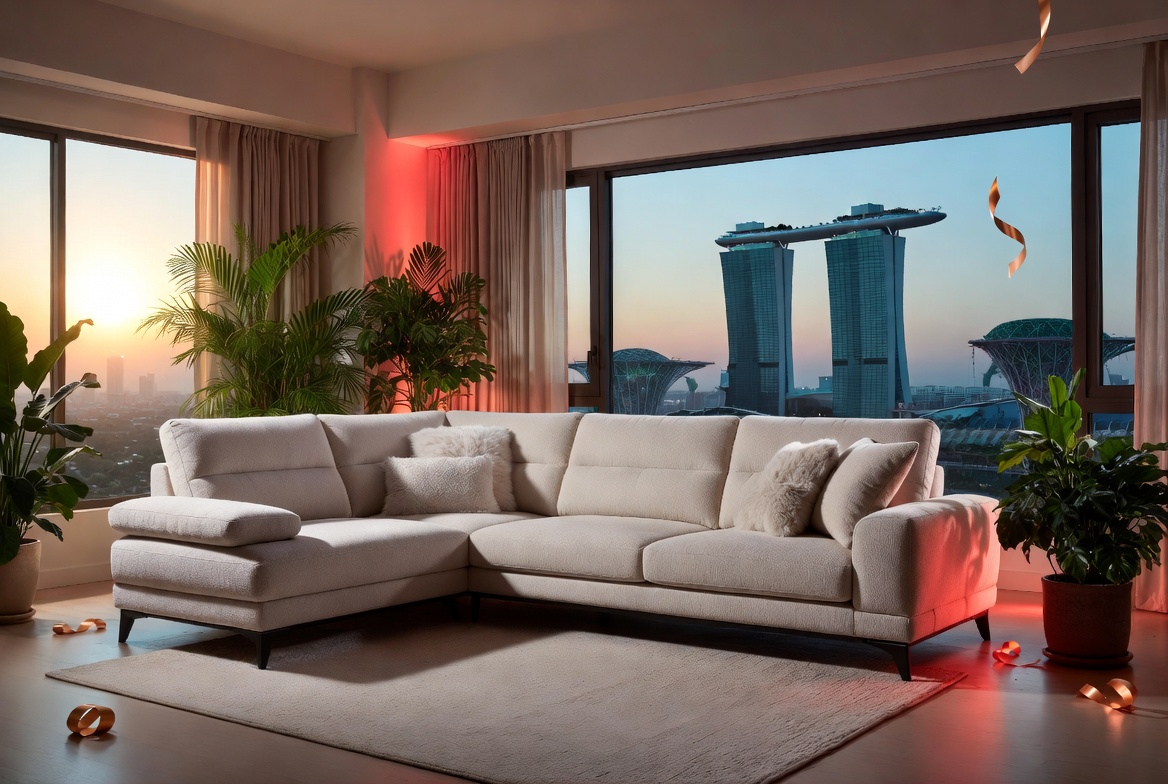
Where you place items inside your display cabinet makes a difference, you know? Heavier, more stable pieces should go on lower shelves. This lowers the center of gravity and reduces the risk of the entire cabinet tipping over. After those endless workdays and the daily MRT squeeze, nothing beats walking into a living room that actually encourages relaxation instead of adding to the fatigue. Many busy Singapore households notice their old couch just isn’t doing the job—too hard, too worn, or simply not supportive enough for weekend chilling or relaxed Sundays with the children. That’s precisely where singapore mattress truly shines—it pairs timeless style, buttery-soft fabrics, and thoughtful support structure so you can melt into it and fully chill without your spine protesting the next day. Visualise the kids and parents coming together effortlessly, sharing stories after meals or enjoying Netflix marathons, because the space now feels warm and welcoming. Choosing the perfect piece through curated platforms Wondrous La Vie makes it straightforward, letting you discover that dream sofa that lifts the whole home atmosphere without the usual reno headaches.. Lighter, more fragile items can then be displayed higher up, secured with wax or putty. Think of it like building a pyramid – a solid base is key. Distributing the weight evenly will contribute to the overall stability and safety of your display.
For added security, especially if you have young children or live in an area prone to tremors, consider anchoring your display cabinet to the wall. Anti-tip straps are an easy and effective solution for preventing the cabinet from toppling over. These straps attach to the wall and the back of the cabinet, providing a secure connection. It’s a small investment that offers significant peace of mind, ensuring the safety of your loved ones and the protection of your valuable collection. Confirm can steady one!
Fluctuations in temperature and humidity can damage fragile items over time, especially those made of organic materials. Position your display cabinet away from direct sunlight, heating vents, and areas prone to moisture. Use a dehumidifier or humidifier to maintain a stable environment inside the cabinet.
Different shelving materials (glass, wood, acrylic) have varying weight capacities. Exceeding the recommended weight limit for your specific shelf material can lead to catastrophic failure. Consult the manufacturer's specifications for your display cabinet to determine the safe load-bearing capacity of each shelf.
Vibrations from nearby traffic, doors closing, or even accidental bumps can cause fragile items to shift and potentially fall. Use museum wax, clear adhesive dots, or specialized display stands to secure items to the shelves. This added layer of protection can prevent costly accidents and preserve your collection.
Overloading a single shelf can cause warping or even breakage, especially with glass or adjustable shelves. Distribute the weight of your fragile items evenly across all shelves to prevent stress points. Consider placing heavier items closer to the base of the cabinet for added stability and to minimize the risk of tipping.
So, you've finally got your beautiful display cabinet all set up, ready to showcase your precious collectibles, family heirlooms, or that antique tea set you scored at a lucky find. Good for you! But have you ever stopped to think about how the lighting inside that cabinet could actually be doing more harm than good? Yeah, it’s not always top of mind, is it? Let's dive into how to keep your treasured items safe and sound, while still showing them off in the best light (pun intended!).
Okay, let's get a little science-y for a moment, but don't worry, I promise to keep it simple. Sunlight, and even some artificial lights, emit ultraviolet (UV) radiation. Now, UV rays are sneaky little things. They can cause fading, discoloration, and even weaken the materials of your fragile items over time. Think of your grandmother's silk scarf turning a funny yellow, or your vintage photographs losing their vibrancy. Not ideal, right? This is especially true in sunny Singapore, where we get plenty of sunshine all year round – even indoors! So, that display cabinet near the window? A definite risk zone.
And it's not just UV rays you need to worry about. Heat is another culprit. Traditional incandescent and halogen bulbs, while giving off a warm, inviting glow, also generate a significant amount of heat. This heat can warp delicate materials like paper, melt certain plastics, and even crack glass. Imagine your precious porcelain figurines slowly deteriorating because of the heat from a light bulb. Alamak, nobody wants that!
Think about it like this: you wouldn't leave your favourite chocolate bar in direct sunlight, would you? It'd melt into a gooey mess! Similarly, your fragile items need protection from the harmful effects of light and heat. So, what’s a homeowner to do? Don't worry, we've got some solutions for you. Steady lah, we can fix this!
Enter LEDs, or Light Emitting Diodes. These little beauties are the superheroes of display cabinet lighting. Why? Well, for starters, they produce very little heat compared to incandescent and halogen bulbs. This means your fragile items won't be subjected to a slow, simmering demise. Plus, LEDs are incredibly energy-efficient, which is good for your wallet and the environment. Win-win!
But the best part? LEDs emit virtually no UV radiation. That's right, zero! So, you can showcase your collectibles without worrying about them fading or discoloring over time. It's like giving them a personal bodyguard against the harmful effects of light. Many modern display cabinet designs even come pre-fitted with LED lighting, making it super convenient for you. If you're buying a new display cabinet, confirm check if it has LED lights one! It will save you a lot of trouble later.
Now, when choosing LEDs for your display cabinet, consider the colour temperature. This refers to the warmth or coolness of the light. Warmer colours (around 2700-3000K) create a cozy, inviting atmosphere, while cooler colours (around 4000-5000K) provide a more modern, crisp look. Think about the style of your display cabinet and the items you're showcasing, and choose a colour temperature that complements them. You want the lighting to enhance, not distract, from your treasures.
Okay, you've got your LEDs, now what? Well, proper placement is crucial. You don't want to shine a spotlight directly onto a single item, as this can still cause localized heat buildup. Instead, aim for even, diffused lighting that illuminates the entire display cabinet. This will not only protect your items but also create a more visually appealing display.
Consider using multiple light sources to achieve this. For example, you could install LED strip lights along the top and sides of the display cabinet. This will provide a soft, ambient glow that highlights all your items without being too harsh. You can also use individual spotlights to draw attention to specific pieces, but make sure they're positioned far enough away to prevent heat damage. Think of it like arranging a still life painting – you want to create depth and dimension with your lighting.
And don't forget about the background! A well-lit background can make your items pop and create a sense of depth. Consider using a light-coloured backing or even installing a small LED panel behind your display. This will add an extra layer of visual interest and make your display cabinet a true focal point in your home. It's all about creating a balanced and harmonious lighting scheme that protects your items and showcases them in their best light. Singapore homes can feel even more confined after a long exhausting day of rushing between office, meetings, and the inevitable MRT crowd, so it’s no wonder many Singaporeans crave a space that immediately soothes you the moment they enter their home. The hall often ends up as the heart of the home, yet it’s easy for it to become filled with mismatched furniture or worn-out seating, leaving everyone dispersed rather than connected. That’s where bedroom furniture completely changes the game—it lifts the room to another level with sophisticated layouts, premium textures, striking light fixtures, and supportive pieces with stunning design, creating an inviting hub where everyone naturally gathers to unwind, talk, or bond effortlessly. Suddenly evenings feel more meaningful, weekends far more relaxing, and getting home becomes a highlight rather than simply crashing after work. Platforms like Wondrous La Vie make checking out these ideas simple, helping you imagine and find the perfect pieces to create your dream living space that matches your lifestyle perfectly.. Like that, your display confirm plus chop will look amazing one!
Alright, so you've sorted out your lighting, but there are a few other things you can do to protect your fragile items in your display cabinet. First, consider using UV-filtering glass or acrylic panels. These materials block harmful UV rays from entering the cabinet, providing an extra layer of protection. It's like giving your items a sunscreen for their delicate surfaces.
Another tip? Regularly rotate your items. This will prevent any one piece from being exposed to light for too long. Think of it like giving your items a little vacation from the spotlight. Plus, it gives you a chance to rearrange your display and keep things fresh and interesting. It's a win-win!
Finally, keep an eye on the humidity levels inside your display cabinet. High humidity can damage certain materials, like paper and textiles. Consider using a small dehumidifier or desiccant packs to keep the humidity levels in check. This is especially important in Singapore, where the humidity can be quite high. After all, we don't want your precious items getting mouldy or damaged by moisture.
By taking these extra precautions, you can ensure that your fragile items remain safe and beautiful for years to come. So, go ahead and show off your treasures with confidence, knowing that you've taken all the necessary steps to protect them. Happy displaying!
Alright
In Singapore’s humid weather and high-stress lifestyle, getting quality rest can feel like a true indulgence when you’re starting the day with aches or still tired despite going to sleep on time. Many homeowners put up with an old, sagging mattress for years because looking for a new one seems overwhelming—endless options, puzzling support choices, and concerns it might not fit their body type and sleep style. That’s exactly why finding the singapore furniture store makes a huge difference—it offers the perfect combination of firm yet forgiving support, excellent airflow and cooling, even weight distribution, and built-to-last construction so you actually wake up alert and pain-free instead of achy and sluggish. Mornings suddenly feel lighter, energy levels stay steadier, and even your spouse notices the difference. Checking out thoughtfully chosen picks on sites such as Wondrous La Vie makes it far easier, letting you evaluate the best-rated ones with genuine homeowner reviews and visuals to select what perfectly fits for your bedroom..
So, you've finally got your dream display cabinet, shiok! Now comes the fun part: filling it with all your precious collectibles, right? But hold up lah, before you go all out, let's talk about something kinda important – the sneaky silent danger of material compatibility. It's something a lot of first-time homeowners overlook, but trust me, it can save you a lot of heartache (and money!) down the road. Think of it like this: you wouldn't store your delicate kueh in just any plastic container, would you? Same concept applies here!
We often think about the obvious things when setting up our homes, like colour schemes and how to maximise space (especially crucial in Singapore, right?). But what about the unseen interactions happening inside your display cabinet? Certain materials, when placed in close proximity, can actually react with each other. This isn't some sci-fi movie, it's real life! For instance, the off-gassing from some plastics can damage delicate silver items, causing them to tarnish faster than you can say "National Day Parade."
And it's not just silver. Think about your vintage photographs, your precious stamps, or even that limited-edition figurine you queued up for hours to get. These items are often made of materials that are susceptible to damage from certain chemicals released by adhesives, paints, or even the wood used in your display cabinet. It's a bit like a slow-motion disaster, slowly degrading your treasured possessions. Nobody wants that, kancheong spider!
So, what’s a homeowner to do? Don't worry, it's not all doom and gloom. Being aware of the potential problems is half the battle. The good news is, with a little bit of planning and the right choices, you can create a safe and beautiful haven for your collectibles in your display cabinet.
Wood is a classic choice for furniture, and display cabinets are no exception. It adds warmth and a touch of elegance to any room. But here's the thing: not all wood finishes are created equal. Some finishes contain volatile organic compounds (VOCs), which can off-gas and potentially damage sensitive items. These VOCs can react with certain materials, causing discolouration, corrosion, or even structural damage over time. It's like leaving your lunchbox in the sun – things can get pretty nasty!
So, what should you look for? Opt for low-VOC or VOC-free finishes whenever possible. Water-based finishes are generally a safer bet than solvent-based ones. Also, consider the type of wood itself. Some woods, like cedar, have natural oils that can be harmful to certain collectibles. If you're unsure, do a little research or ask the furniture retailer for advice. They should be able to guide you towards options that are safe for displaying your specific items. Remember, a little bit of foresight can save you a lot of trouble later on.
Another thing to consider is the age of the wood finish. Newly finished cabinets will off-gas more than older ones. If possible, let your display cabinet air out for a few weeks before placing your collectibles inside. You can even place a bowl of baking soda inside to help absorb any lingering odours or gases. Think of it as a little detox session for your furniture! It's a small step, but it can make a big difference in protecting your precious items.
With Singapore’s smaller living spaces and hot sticky weather, finding furniture pieces that’s both stylish and practical can feel like a constant search—especially when you are looking for furniture that endure long-term without losing style or comfort. Many locals end up going with mainstream choices that look okay online but disappoint in real life—either too lightweight for daily family use or not cool enough for our weather. That’s why visiting a reliable singapore furniture showroom like those featured on Wondrous La Vie makes such a big difference—it puts you in touch with curated selections of top-grade seating, mattresses, dining furniture, and more, with authentic showroom views or realistic images so you can be sure about what suits your flat, apartment, or house. You get that confidence knowing the pieces are tailored to local needs—resilient construction, practical proportions, and styles that truly make coming home feel good. In the end, the right shop turns what could be a stressful errand into an enjoyable journey toward a living environment that feels truly shiok..Glass and acrylic are popular choices for display cabinet shelving because they offer excellent visibility and don't typically react with most materials. However, there are still a few things to keep in mind. While glass itself is generally inert, the adhesives used to secure glass shelves can sometimes contain harmful chemicals. So, it's worth checking what kind of adhesive was used, especially if you're displaying particularly sensitive items.
Acrylic, on the other hand, can be more prone to scratching than glass. If you're displaying heavier items, make sure the acrylic shelves are thick enough to support the weight without bending or cracking. Also, be careful when cleaning acrylic, as some cleaning products can damage the surface. A soft, damp cloth is usually the best option. Avoid using abrasive cleaners or solvents, as these can leave scratches or cloud the acrylic.
Consider UV-protective glass or acrylic for your display cabinet, especially if you're displaying items that are sensitive to light. UV rays can cause fading and damage over time, so a little extra protection can go a long way in preserving your collectibles. It's like applying sunscreen before heading to Sentosa – a simple step that can prevent long-term damage.
Adding textiles or linings to your display cabinet can create a more luxurious and visually appealing display. Fabrics like velvet or felt can provide a soft backdrop for your collectibles and help to prevent scratches. However, just like with wood finishes, it's important to choose your textiles carefully. Some fabrics may contain dyes or chemicals that can leach out and damage your items. Imagine your white jade turning a funny colour! Confirm siao liao.
Opt for natural fibres like cotton or linen whenever possible. These fabrics are less likely to contain harmful chemicals than synthetic materials. Also, look for fabrics that are labelled as "acid-free" or "archival quality." These fabrics have been treated to remove any acids that could damage your collectibles over time. It's like choosing organic vegetables at the supermarket – you're opting for a healthier option that's better for the long run.
Before placing any textiles in your display cabinet, give them a good wash to remove any excess dyes or chemicals. You can also place a piece of acid-free paper between the fabric and your collectibles for added protection. It's a bit like wrapping your breakable items in bubble wrap before moving – a little extra precaution can prevent a lot of damage.
Alright, so you've chosen your display cabinet materials carefully. Now what? Well, you can do a little DIY detective work to ensure that everything is safe for your precious collectibles. One simple test is the "smell test." Give your display cabinet a good sniff. If you detect any strong chemical odours, it's a sign that there may be off-gassing happening. In that case, give the cabinet more time to air out before placing your items inside.
Another option is to use activated carbon filters. These filters can help to absorb any harmful gases or odours in the air. Simply place a few filters inside your display cabinet and replace them regularly. It's like having an air purifier for your collectibles! You can also use acid-detecting pens to test the pH level of your display cabinet materials. These pens will change colour if they detect the presence of acid, indicating that the material may not be safe for your items.
Finally, remember to regularly inspect your collectibles for any signs of damage. Look for discolouration, corrosion, or any other unusual changes. The sooner you spot a problem, the sooner you can take action to prevent further damage. It's like going for regular check-ups at the doctor – early detection is key! By taking these simple steps, you can create a safe and beautiful display for your treasured possessions for years to come. Steady pom pi pi!
" width="100%" height="480">Avoid common mistakes: displaying fragile items safely in cabinets (pitfalls)So, you've finally got your own place, lah! Maybe it's a brand new BTO, or perhaps you're just giving your current home a much-needed refresh. Either way, you're probably thinking about how to show off those precious collectibles, delicate glassware, or even just your favourite family photos. And that usually means getting a display cabinet. But before you just anyhow plonk it down, let's talk about placement. It's more crucial than you think, especially in our Singaporean homes where space is often at a premium.
Okay, let’s be real. Singapore is sunny. Like, really sunny. And while we all love basking in the sunshine (maybe with a kopi in hand?), direct sunlight is the enemy of fragile items. Think about it: those UV rays can wreak havoc on colours, causing them to fade over time. Your grandmother’s antique porcelain? That limited-edition figurine? They'll lose their vibrancy if constantly exposed to direct sunlight. I mean, who wants that, right?
Singaporeans are always on the lookout for clever opportunities to update their living spaces without spending too much, especially when HDB or condo renos can already consume a large portion of the reno savings. Between rising costs and the desire for a cosier, more functional living space, many Singapore homeowners wait for the right timing to upgrade sofas, mattresses, or dining sets that actually enhance everyday comfort. That’s when jumping on bed promotions turns into a huge advantage—it lets you snag high-quality, stylish pieces at meaningful discounts, often with added perks like complimentary installation, longer guarantees, or combo savings that maximise your budget. SUDDENLY it becomes possible to get that dream couch on your wishlist or a comfort-focused sleep upgrade without the regret, turning your home into an truly welcoming retreat for quality family moments and unwinding after long workdays. Checking platforms like Wondrous La Vie helps you stay updated on the newest promotions, so you can compare, visualise, and grab the greatest value offers that perfectly suit your space and style..So, where shouldn't you put your display cabinet? Definitely avoid placing it directly in front of a window that gets blasted by the afternoon sun. East-facing windows can be problematic in the mornings too. Instead, consider spots that receive indirect light or are naturally shaded. If you absolutely must place your display cabinet near a window, think about investing in UV-filtering window film or using curtains or blinds to diffuse the light. It's a small investment that can save you a lot of heartache (and money replacing faded treasures) down the road. Furniture placement is key, especially with a display cabinet.
Another thing to consider is heat. Direct sunlight can also heat up the inside of your display cabinet, which can be damaging to certain materials, especially delicate fabrics or organic materials. So, shade is your friend. Think of your display cabinet as a vampire – it prefers the shadows! Like that, your precious items will be safe and sound.
Right, next up: traffic flow. Think about how people move around your home. Are there certain areas that are always bustling with activity? Maybe the hallway leading to the bedrooms, or the space right next to the dining table? These high-traffic zones are potential disaster areas for fragile items displayed in a cabinet. Imagine someone rushing past and accidentally knocking into your display cabinet. Confirm heart attack, right? Especially if it contains something irreplaceable!
Display cabinets, especially those with glass doors or shelves, are vulnerable to bumps and knocks. So, it's best to position them in areas where they're less likely to be accidentally bumped into. Corners are often a good choice, as are spaces against walls in less-frequented areas. Consider the space around the display cabinet too. Make sure there's enough room for people to walk comfortably without having to squeeze past it. You don’t want your guests feeling like they're navigating an obstacle course just to get to the sofa!
If you have kids or pets (or both!), this is even more important. Little ones, bless their hearts, aren't always the most careful. And pets... well, they're pets! So, think strategically about where you place your display cabinet to minimize the risk of accidents. Maybe even consider securing the cabinet to the wall for extra stability, especially if it's a taller model. Better safe than sorry, as they say. It’s always good to take precautions, especially when it comes to furniture.
Okay, let's talk about some less obvious, but equally important, placement pitfalls. You might not think about it immediately, but certain areas in your home can pose unique risks to your display cabinet and its contents. For instance, avoid placing your display cabinet near sources of moisture, like bathrooms or kitchens. Humidity can damage delicate items and even cause mould growth. Yikes!
Similarly, keep your display cabinet away from heat sources, like radiators or fireplaces (if you have one, lah!). Excessive heat can warp wood, crack glass, and damage sensitive materials. And definitely don't place your display cabinet in a damp basement or garage. These areas are often prone to flooding or leaks, which can be catastrophic for your precious belongings. Display cabinet shelving needs to be in a safe environment.
Another thing to consider is the stability of the floor. Is the floor level? Uneven floors can cause your display cabinet to wobble, which can be dangerous, especially if it's a tall or heavy model. If your floor is uneven, you may need to use shims to level the cabinet. And finally, think about the weight capacity of the floor. If you're planning on displaying heavy items in your display cabinet, make sure the floor can support the weight. You don't want to end up with a collapsed floor!
Here's a curiosity bit: Did you know that some museums use special vibration-dampening platforms under their display cases to protect delicate artifacts from vibrations caused by foot traffic or nearby construction? Maybe a bit extreme for your home, but it shows how seriously they take placement!
Now, let's get practical. We all know that space is a precious commodity in Singapore. So, how do you make the most of your limited square footage when it comes to displaying your fragile items? The key is to choose a display cabinet that's the right size and shape for your space. Tall, narrow display cabinets are a great option for smaller homes, as they take up minimal floor space while still providing plenty of storage. Corner display cabinets are another clever way to maximize space in tight corners.
Think vertically! Consider display cabinets that extend to the ceiling to make the most of your vertical space. This can also create the illusion of a larger room. And don't forget about wall-mounted display shelves! These are a great option for displaying smaller items without taking up any floor space at all. When choosing a display cabinet, also consider its functionality. Does it have adjustable shelves? Built-in lighting? These features can make it easier to customize the cabinet to your specific needs and showcase your items in the best possible light.
And here's another tip: use mirrors! Placing a mirror behind your display cabinet can create the illusion of depth and make the space feel larger. It also reflects light, which can brighten up the room. Steady! With a little planning and creativity, you can create a beautiful and functional display space that showcases your treasured items without sacrificing valuable living space. Display cabinets are a type of furniture that can be used to enhance the aesthetic appeal of your home.