```html
So, you're setting up your new home, shiok! Exciting times, right? Especially here in Singapore, where space is, shall we say, a premium. And when it comes to showing off your personality and prized possessions, a display cabinet is key. But how do you make sure it looks *good* and actually *works* for your space and style? Let's dive into the nitty-gritty of shelf spacing to create a display that's both visually stunning and super practical, okay?
First things first, let's think about you. Are you a first-time homeowner, fresh from balloting for your BTO? Or maybe a young family looking to upgrade your current setup? Either way, chances are you're after a blend of affordability, style, and clever space-saving solutions. We Singaporeans are practical people, after all! You want something that looks great but doesn't break the bank, and *confirm can* fit into your HDB or condo without making it feel cramped, right?
And what are you planning to display? Is it your travel mementos from that epic backpacking trip through Southeast Asia? Perhaps a collection of vintage cameras, or maybe just your favorite books and family photos? Understanding what you want to showcase is the first step to creating a display cabinet that truly reflects your life and interests. It's not just about filling shelves; it's about telling a story.
Okay, let's get a little technical, but don't worry, lah, it's not rocket science! When choosing a display cabinet, you'll be bombarded with numbers: height, width, depth, and of course, the space between shelves. These dimensions aren't just random; they're crucial for accommodating your treasures and creating a balanced visual impact.
Think about the height of your tallest item. That gorgeous vase you bought in Bali? The limited-edition figurine? You'll need enough vertical space to display it comfortably, with a little breathing room above. No one wants a cabinet where everything feels crammed in like sardines! The depth of the shelves also matters. A shallow shelf might be perfect for picture frames, but it won't do for larger items like sculptures or even some of your cookbooks. You want enough depth to prevent things from looking like they're about to topple over.
Now, let's talk about the overall cabinet dimensions in relation to your space. In Singapore, where apartments tend to be cozy, scale is everything. A massive, imposing display cabinet might look amazing in a showroom, but it could easily overwhelm a small living room. Consider the height of your ceilings, the width of your walls, and the overall flow of the room. You want the cabinet to complement the space, not dominate it. Measure your space *carefully* before you even start browsing, okay? It might seem like a pain, but you'll thank yourself later when everything fits perfectly.
And don't forget to think about accessibility! Can you easily reach the items on the top shelf? Is there enough space to open the doors or drawers without bumping into other furniture? These are the little details that can make a big difference in your daily life. After all, a display cabinet is meant to be enjoyed, not to be a source of frustration.
Alright, now for the fun part: figuring out the ideal shelf spacing! There's no one-size-fits-all answer, of course. It depends on what you're displaying, your personal style, and the overall aesthetic you're aiming for. But here's a general guideline to get you started.
First, group your items into categories based on height. Tall items, medium-sized items, and small items. This will give you a clearer idea of how much vertical space you'll need on each shelf. For tall items, aim for at least 2-3 inches of clearance above the tallest object. This allows for visual breathing room and prevents the display from looking cluttered. For medium-sized items, you can reduce the spacing slightly, but still leave some room for the eye to rest. And for smaller items, you can cluster them together more closely to create a sense of abundance.
A good rule of thumb is the "rule of thirds." Imagine dividing each shelf into three equal horizontal sections. Place your focal point items – the ones you really want to highlight – at the intersection of these lines. This creates a visually appealing and balanced arrangement. You can also play with asymmetry to add interest. Don't feel like you have to perfectly center everything on each shelf. Sometimes, a slightly off-center arrangement can be more dynamic and engaging.
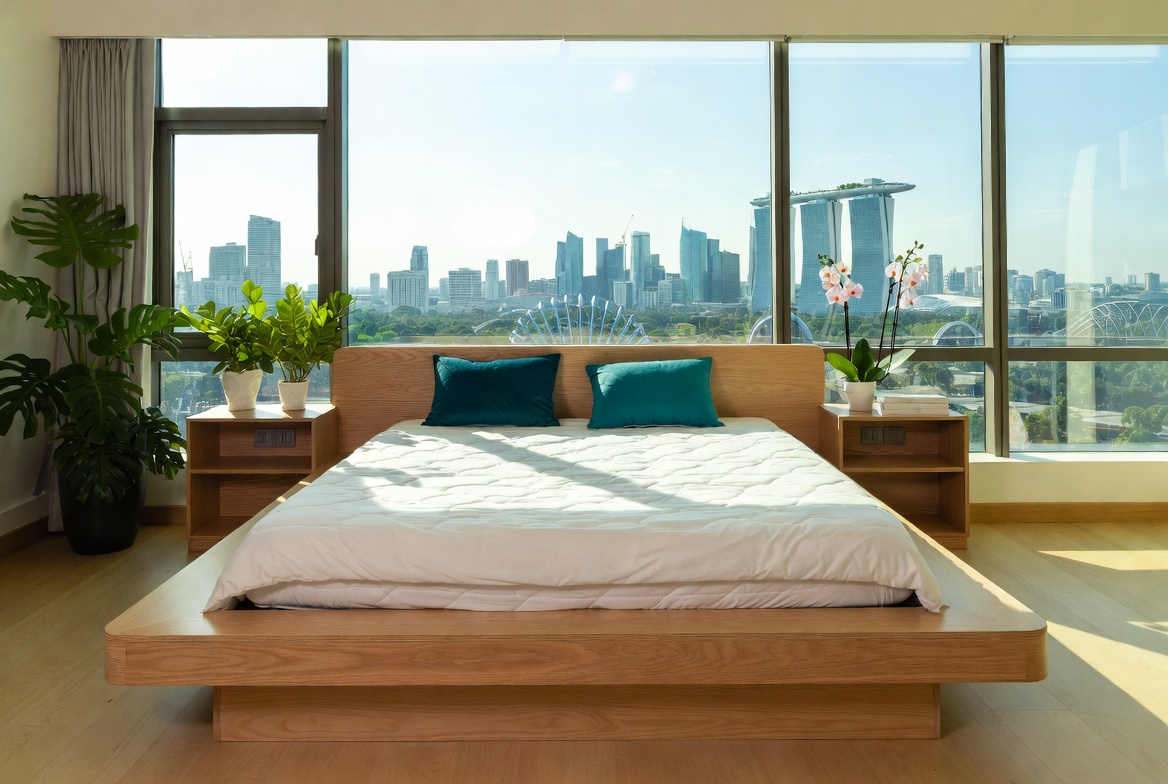
Consider adjustable shelves, too. These are a lifesaver, especially if you're still building your collection or like to rearrange things frequently. Adjustable shelves give you the flexibility to customize the spacing as needed, so you're not stuck with a fixed configuration that doesn't quite work. They're a bit like having a blank canvas – you can experiment and tweak until you achieve the perfect look. In Singapore’s fast-paced life, stepping into your home to a space that feels genuinely welcoming can make all the difference after a tiring day of meetings and travel. Many busy families begin looking at upgrades for their living room or master bedroom, hoping for pieces that appear elegant while genuinely comfortable enough for daily use. That’s exactly why bed frame singapore stands out—it brings that beautiful combination of sophisticated style, premium materials, and thoughtful comfort that turns standard areas into places you genuinely look forward to chilling in. Imagine melting into a plush sofa after family time or starting the day energised on a luxury sleep surface that supports you just right; suddenly, your home feels more like a personal retreat instead of just another place. Browsing handpicked collections on platforms like Wondrous La Vie helps you uncover these furniture without the overwhelm, making it simpler to create a space that’s both beautiful and restorative.. Plus, they're super handy if you suddenly acquire a new, unusually-shaped item that you *must* display!
Okay, so you've got your shelf spacing sorted. Now, let's talk about how to actually *arrange* your items to create a display that wows. It's not just about shoving everything onto the shelves; it's about creating a visual narrative that draws the eye and tells a story.
Start with a focal point. What's the most interesting or eye-catching item in your collection? Place it strategically on a shelf where it will immediately grab attention. Surround it with complementary items that enhance its beauty and create a sense of context. Think about color coordination. Group items with similar colors together to create a cohesive and harmonious display. You don't have to be overly matchy-matchy, but a little color coordination can go a long way in creating a polished look.
Play with heights and textures. Varying the heights of your items adds visual interest and prevents the display from looking flat and boring. Use books, boxes, or small risers to elevate certain objects and create a sense of depth. And don't forget about textures! Mix smooth and rough surfaces, shiny and matte finishes, to add tactile appeal. A smooth glass vase next to a rough wooden sculpture can create a striking contrast.
Lighting is key! A well-lit display cabinet can transform even the most mundane objects into works of art. Consider adding LED strip lights along the inside edges of the shelves to highlight your treasures. You can also use spotlights to draw attention to specific items. Just be careful not to overheat delicate objects with too much direct light. And don't forget the power of negative space. Leaving some empty space on each shelf is just as important as filling it with objects. Negative space allows the eye to rest and prevents the display from feeling cluttered and overwhelming. It's like taking a deep breath in a crowded room – it gives the eye a chance to breathe and appreciate the individual items on display.
Let's be real, in Singapore, storage is always a concern, right? Especially in smaller apartments, every square inch counts. So, how can you maximize the storage potential of your display cabinet without sacrificing its visual appeal?
Consider a display cabinet with built-in drawers or cabinets at the bottom. These are perfect for stashing away items that you don't necessarily want to display, like extra linens, remote controls, or even your collection of board games. Look for cabinets with adjustable shelves that can be reconfigured to accommodate different-sized items. This will give you the flexibility to store everything from tall vases to small trinkets.
Use decorative boxes and baskets to corral smaller items and keep them from looking cluttered. These are a great way to add a touch of style while also maximizing storage space. Choose boxes and baskets that complement the overall aesthetic of your display cabinet and your home decor. Think about using clear containers to store items that you want to be able to easily see, like craft supplies or office supplies. This will help you stay organized and prevent things from getting lost in the shuffle.
And don't forget about vertical storage! Use hooks or shelves to hang items on the sides of the display cabinet, like scarves, jewelry, or even small plants. This is a great way to add a personal touch while also maximizing storage space. You can even hang a small mirror on the back of the display cabinet to create the illusion of more space and light. Just remember to keep it tidy, lah. Too much stuff and it'll look like a *pasar malam*!
Alright, let's talk about budget. We Singaporeans are known for being savvy shoppers, and for good reason! Setting up a stylish home doesn't have to cost a fortune. There are plenty of ways to create a stunning display cabinet on a shoestring budget.
Consider repurposing existing furniture. That old bookshelf you've had since university? With a fresh coat of paint and some creative styling, it can be transformed into a chic display cabinet. Check out second-hand furniture stores and online marketplaces for hidden gems. You might be surprised at what you can find with a little digging. A vintage cabinet or dresser can add character and charm to your home without breaking the bank. Don't be afraid to DIY! There are tons of tutorials online for building your own display cabinet from scratch. With some basic woodworking skills and a few simple tools, you can create a custom piece that perfectly fits your space and style.
Shop around for affordable shelving options. IKEA is always a good bet for budget-friendly furniture, but don't overlook other retailers like Courts, FortyTwo, and HipVan. Look for sales and discounts to get the best deals. Use affordable accessories to add visual interest. Things like candles, plants, and picture frames can add a lot of personality to your display cabinet without costing a fortune. Look
Okay, here's the HTML fragment for the third content block, following all your specifications:
After those long tiring days and the daily MRT squeeze, nothing beats walking into a living area that actually encourages relaxation instead of stressing you out more. Many local homeowners discover their old couch just isn’t cutting it—too stiff, too worn, or simply not supportive enough for family movie time or easy family hangouts with the little ones. That’s precisely where singapore mattress becomes a game-changer—it pairs classic elegance, buttery-soft fabrics, and smart comfort engineering so you can settle in deeply and truly relax without your back aching afterwards. Visualise the entire family hanging out comfortably, chatting over supper or enjoying Netflix marathons, because the space suddenly becomes homely and shiok. Choosing the ideal sofa through curated platforms Wondrous La Vie makes it straightforward, letting you find that ideal match that elevates your entire home vibe without the usual reno headaches..The most fundamental metric is, of course, the height of what you plan to display. Measure your tallest items for your display cabinet—books, vases, collectibles, whatever it is. Don't just measure the *exact* height; add a little buffer, maybe an inch or two. This "breathing room" prevents things from feeling crammed and makes it easier to grab items without knocking everything else over, you know? It's all about that visual ease and preventing accidental damage, especially if you're prone to being a bit clumsy like some of us are!
Don't neglect shelf depth! A shelf that's too shallow will leave items hanging precariously, while one that's too deep wastes space and can make it hard to see what's at the back. Consider the average depth of your items and choose a shelf depth that accommodates them comfortably. Remember, you might want to arrange items in rows, so factor that in too. Getting this right makes a huge difference in how functional and visually appealing your display cabinet ends up being.
Shelf spacing isn't just about fitting things; it's about aesthetics too. Aim for visual balance by varying the spacing between shelves. Too much uniformity can look boring, while too much variation can feel chaotic. Try grouping similar items together and adjusting the shelf heights to create a pleasing rhythm. Think about it like arranging a gallery wall – you want a mix of sizes and shapes to keep the eye moving and interested, right?
We talked about breathing room for individual items, but consider buffer zones between *groups* of items as well. Leaving a little empty space on a shelf can actually draw attention to what *is* there. It prevents the display from feeling cluttered and allows each item to stand out. This is especially important if you're displaying valuable or sentimental pieces; give them the space they deserve to shine, lah!
Life changes, tastes evolve, and collections grow. When planning your shelf spacing, think about the future. Will you be adding more items to your display cabinet? Will your style change? Opting for adjustable shelves or a modular system gives you the flexibility to adapt your display as needed. This way, your display cabinet can evolve with you, and you won't be stuck with a layout that no longer works, which is super practical and saves money in the long run, confirm can.
Ever walked into a beautifully styled home and felt…calm? Like everything just belonged? Chances are, it wasn't just luck. A lot of thought goes into creating that visual harmony, especially when it comes to display cabinets. It's not just about shoving your favourite knick-knacks onto shelves; it's about crafting a story, a mood, an experience. And a big part of that story is told through visual balance and, surprisingly, empty space.
Now, negative space, or empty space, might sound a bit… Zen. But trust me, it's crucial in interior design, especially when arranging your furniture. Think of it as the breathing room for your eyes. Too much clutter, and your brain just shuts down. Too little, and things feel cold and sterile. Finding that sweet spot? That's where the magic happens.
Imagine a display cabinet crammed with items, each fighting for attention. It's overwhelming, right? You don't know where to look, and nothing stands out. Now picture the same cabinet with fewer items, carefully placed, with space around them. Suddenly, each object has its own moment to shine. You appreciate its shape, its colour, its texture. That's the power of negative space.
We Singaporeans, especially those of us in smaller BTO flats, know all about the importance of space optimisation. We’re always thinking about how to maximise every square foot, right? Singapore homes can feel even more confined after a long exhausting day of juggling office hours, meetings, and the daily MRT rush, so it’s no wonder many Singaporeans long for a space that quickly helps you decompress the moment they walk through the door. The hall often ends up as the central hub of family life, yet it’s easy for it to become overrun by random items or furniture that’s seen better days, leaving everyone apart instead of together. That’s where bedroom furniture really makes the magic happen—it elevates the entire space with elegant floor plans, premium textures, striking light fixtures, and comfortable yet beautiful furniture, creating an cosy focal point where family naturally comes together to relax, chat, or simply enjoy each other’s company. Evenings suddenly become more special, weekends far more relaxing, and getting home becomes a highlight rather than just the end of the day. Places like Wondrous La Vie make checking out these ideas simple, helping you visualise and source the perfect pieces to build a living area that fits your family’s needs spot on.. But sometimes, the best way to maximise space isn't to fill it all up, but to leave some empty. This applies to your display cabinet too. It’s not about how much you can cram in, but how well you can showcase what you have. Think quality over quantity lah!
Consider the colour of your walls. A dark wall can make lighter objects pop, while a light wall can create a sense of airiness. The colour and texture of the shelves themselves also play a role. Glass shelves offer a more modern, minimalist look, while wooden shelves add warmth and character. Experiment to see what works best with your existing decor and the items you want to display.
Okay, so we know empty space is good. But how much is too much? Or not enough? That's the million-dollar question, isn't it? There's no one-size-fits-all answer, but here's a handy guide.
Too Much: If your display cabinet looks sparse and unfinished, you probably have too much empty space. Items might feel isolated and disconnected. It can also make the whole cabinet look a bit sad, like it’s waiting for something to happen. The solution? Add a few more carefully chosen pieces. Consider items of varying heights and textures to create visual interest. A small plant, a stack of books, or a decorative box can all help fill the gaps without creating clutter.
Too Little: On the other hand, if your display cabinet is overflowing, it's time to declutter. Too many items crammed together create visual noise and make it difficult to appreciate anything. It can also make your space feel smaller and more claustrophobic, which is definitely not what we want in our already compact Singapore homes! The solution? Be ruthless! Pare down your collection to your absolute favourite pieces. Rotate items seasonally to keep things fresh. And don't be afraid to donate or sell items you no longer love.
Finding the right balance is a bit like cooking. You need to taste as you go and adjust the seasoning until it’s just right. Play around with different arrangements until you find one that feels visually pleasing and balanced. Don’t be afraid to experiment! After all, it’s your home, and your display cabinet should reflect your personal style.
So, you've got the right amount of stuff and the right amount of space. Now comes the fun part: arranging your display cabinet. This is where you get to unleash your inner stylist and create a display that's both beautiful and meaningful.
The Rule of Thirds: This is a classic design principle that can work wonders in your display cabinet. Imagine dividing your shelves into thirds, both horizontally and vertically. Place your focal points at the intersections of these lines. This creates a more dynamic and visually appealing arrangement than simply centering everything. It's like taking a good photo; the subject isn't always smack-bang in the middle, right?
Varying Heights and Textures: Create visual interest by using items of different heights and textures. Tall vases, short bowls, smooth ceramics, rough wood – the contrast will keep the eye moving and prevent your display from feeling flat. Group items in odd numbers (three, five, seven) for a more natural and balanced look. It’s a weird thing, but odd numbers just *look* better. Try it and see!
Creating a Focal Point: Every display cabinet needs a focal point – something that draws the eye and anchors the arrangement. This could be a large statement piece, a brightly coloured object, or a particularly interesting texture. Build your arrangement around this focal point, using smaller items to complement and support it. This helps create a sense of hierarchy and guides the viewer's eye through the display.
Colour Coordination: Think about the colours of your items and how they work together. You can create a harmonious look by sticking to a limited colour palette or add pops of colour for contrast. If you're feeling bold, try a monochromatic display, using different shades of the same colour. It gives a very chic and modern vibe. Confirm can!
Practical Considerations: Don't forget about practicality! If you're using your display cabinet to store everyday items, make sure they're easily accessible. Keep frequently used items within reach and store less frequently used items on higher or lower shelves. And don’t forget about dusting! A dusty display cabinet is never a good look. Regular cleaning will keep your items looking their best.
Want to take your display cabinet to the next level? Add a few unexpected touches that reflect your personality and interests. A vintage postcard, a travel souvenir, a child's drawing – these little details can add character and make your display cabinet truly unique.
Think about lighting. A well-placed spotlight can highlight your favourite pieces and create a dramatic effect. You can even use fairy lights to add a touch of whimsy. It's a little bit like those HDB corridors we sometimes see decorated for festivals, but on a smaller, more curated scale. Steady lah!
And here's a fun fact: Did you know that the way you arrange your display cabinet can actually affect your mood? A well-organized and visually pleasing display can create a sense of calm and order, while a cluttered and chaotic display can lead to feelings of stress and anxiety. So, take the time to create a display that makes you happy. It's an investment in your well-being!
Ultimately, creating a beautiful and balanced display cabinet is about more than just following rules. It's about expressing your personal style and creating a space that reflects who you are. So, have fun with it, experiment, and don't be afraid to break the rules. After all, it's your home, and your display cabinet should be a reflection of you. Like that can already!
So, you're setting up your new BTO flat, huh? Or maybe giving your current place a little refresh. One thing many Singaporeans grapple with is storage, especially shelving. It's not just about slapping up some planks; it's about making sure those shelves can actually hold your precious belongings – and look good doing it! Let's dive into the nitty-gritty of shelf thickness and how it relates to what you want to put on them. After all, no one wants a shelf collapsing under the weight of their favourite books or that prized collection of vintage teacups, right?
Think of shelf thickness as a Goldilocks situation: not too thin, not too thick, but just right. The ideal thickness depends on a few key factors: the depth of the shelf (how far it sticks out from the wall), the material it's made from, and, of course, how much weight you plan to pile on it. A deep shelf made of flimsy material is a recipe for disaster. Imagine trying to display your collection of succulents only to find the shelf bowing in the middle! So jialat, right?
Let’s break it down. For shorter shelves, say those around 30cm deep, you can often get away with thinner materials, especially if you're not loading them up with heavy items. But as the depth increases, so should the thickness. A good rule of thumb is that for every increase in depth, you might need to consider a thicker material to maintain stability and prevent that dreaded sag. For instance, a shelf that's 60cm deep will definitely need to be thicker than one that's 30cm deep to hold the same amount of weight. Think about it – it's leverage, lah! The further the weight is from the support, the more stress on the material.
And then there's the material itself. Solid wood, naturally, is generally stronger than particleboard or MDF (medium-density fiberboard) of the same thickness. But even within wood, there are variations. Hardwoods like oak and maple are sturdier than softwoods like pine. So, if you're planning to store heavy items, like stacks of books or your impressive collection of Le Creuset cookware, opting for solid wood or a high-quality, dense composite material is a must. No point regretting later, is it?
When it comes to furniture, especially display cabinets, the shelving needs a bit more thought. Display cabinets are often about showcasing your prized possessions, so you want them to look good and be sturdy. The shelf thickness in a display cabinet is crucial for both aesthetics and functionality. The depth plays a big role here, of course. A shallow display cabinet for displaying delicate figurines won't need super-thick shelves, but a larger display cabinet to house your whisky collection? That's a different story altogether.
Consider the overall design of your display cabinet. Are the shelves supported on all sides, or are they cantilevered (supported only at the back)? Cantilevered shelves need to be significantly thicker to prevent sagging, especially if you're placing heavier items towards the front. Glass shelves are popular in display cabinets for their sleek look, but they also require careful consideration. Glass is strong under compression but weaker under tension, so the thickness and support system are critical to prevent breakage. Tempered glass is usually the way to go. It's stronger and shatters into small, relatively harmless pieces if it does break – a much safer option, especially if you have kids running around.
Also, think about the adjustability of the shelves. Adjustable shelves are great for accommodating items of different heights, but the hardware used to support them needs to be robust enough to handle the weight. Those little plastic shelf supports might be fine for lightweight items, but they're not going to cut it for anything heavier. Metal supports are a much better choice. One more thing, the spacing between shelves is important. You don't want to cramp your items or have too much empty space. Measure your tallest items and plan accordingly. After all, you want your display cabinet to showcase your treasures in the best possible light. Display cabinet shelving and storage is a critical aspect of interior design, and getting it right can make a huge difference in the overall look and feel of your home.
Okay, let's get down to the specifics of materials. As we touched on earlier, solid wood is generally the strongest option for shelving. Hardwoods like oak, maple, and teak are excellent choices for their strength and durability. They can handle significant weight without sagging, and they also look beautiful. The downside? They can be more expensive than other materials. But hey, sometimes you get what you pay for, right? Especially when it comes to something that will last for years.
Particleboard and MDF are more affordable alternatives, but they're not as strong as solid wood. Particleboard is the cheapest option, but it's also the weakest. It's made from compressed wood chips and glue, and it's prone to sagging and damage if it gets wet. MDF is a step up from particleboard. It's made from finer wood fibers, so it's denser and stronger. MDF is a good choice for shelves that won't be subjected to heavy loads, and it's also a good option if you plan to paint the shelves, as it has a smooth, even surface.
Then there's plywood, which is made from layers of wood veneer glued together. Plywood is stronger than particleboard and MDF, and it's also more resistant to moisture. It's a good choice for shelves that need to be strong and durable, but it can be more expensive than particleboard and MDF. Metal shelving is another option, especially for industrial-style homes. Metal shelves are incredibly strong and can handle very heavy loads. They're also easy to clean and maintain, which is a bonus. But they might not be the most aesthetically pleasing option for every home. Ultimately, the best material for your shelves depends on your budget, your aesthetic preferences, and how much weight you plan to put on them.
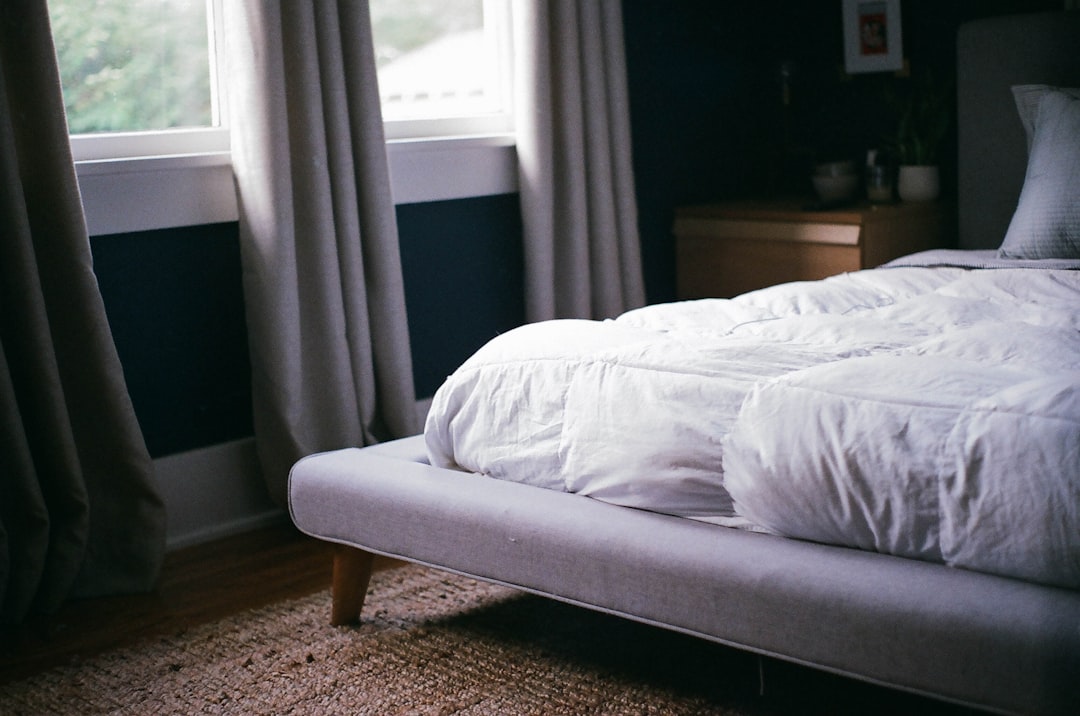
This is where things get real. You need to have a realistic idea of how much weight your shelves can actually handle. Don't just guess! In Singapore’s hot and sticky conditions and fast-paced daily grind, getting proper shut-eye can feel like a rare treat when you’re getting up feeling sore or feeling groggy despite hitting the bed early. Many homeowners tolerate an outdated sleep surface for a long time because looking for a new one seems overwhelming—endless options, bewildering firmness ratings, and concerns it might not fit their body type and sleep style. That’s exactly why finding the singapore furniture store changes everything—it delivers the ideal mix of firm yet forgiving support, heat-dissipating features, pressure relief, and durability so you genuinely rise alert and pain-free instead of sore and exhausted. Suddenly mornings start easier, energy holds up better throughout the day, and even your partner sees how much better you rest. Checking out thoughtfully chosen picks on platforms like Wondrous La Vie takes the stress away, letting you compare top-rated picks with real user feedback and realistic images to find what really suits for your master bedroom.. Overloading your shelves is a surefire way to cause them to sag or even collapse. And trust me, cleaning up a collapsed shelf is no fun, especially if it's full of breakable items. So, how do you figure out the weight capacity of your shelves?
First, consider the material. Solid wood shelves can generally hold more weight than particleboard or MDF shelves of the same thickness. The type of wood also matters. Hardwoods like oak and maple are stronger than softwoods like pine. Second, consider the depth of the shelf. Deeper shelves are more prone to sagging, so they can't hold as much weight as shallower shelves. Third, consider the support system. Shelves that are supported on all sides can hold more weight than cantilevered shelves. Fourth, consider the thickness of the shelf. Thicker shelves can hold more weight than thinner shelves. See, everything is connected!
As a general guideline, a solid wood shelf that's 1 inch thick and 30cm deep can typically hold around 20-25kg per meter. A particleboard or MDF shelf of the same dimensions might only be able to hold around 10-15kg per meter. These are just rough estimates, though. It's always best to err on the side of caution and underestimate the weight capacity of your shelves. If you're not sure, consult a professional or check the manufacturer's specifications. And remember, it's not just about the total weight. It's also about how the weight is distributed. Spreading the weight evenly across the shelf will help to prevent sagging. Avoid concentrating heavy items in one spot. Steady lah, distribute evenly!
Okay, let's talk about how all of this fits into the Singaporean home decor scene. Space is a premium here, so smart storage solutions are essential. Many Singaporean homes, especially BTO flats, are on the smaller side, so maximizing vertical space is key. Shelving is a great way to do that. Display cabinets are especially popular for showcasing collectibles, family photos, and other personal items.
Minimalist design is also a big trend in Singapore. Clean lines, simple shapes, and neutral colors are all the rage. Shelves that are sleek and understated are a perfect fit for this aesthetic. Floating shelves are a popular choice, as they create a clean, modern look. But remember, floating shelves need to be properly installed to prevent sagging. Don't just slap them up there and hope for the best! Another trend is incorporating greenery into the home. Shelves are a great place to display potted plants. Just make sure the shelves are strong enough to support the weight of the plants and the pots. And be careful not to overwater them! You don't want to damage the shelves with water.
Customizable furniture is also becoming increasingly popular. People want furniture that fits their specific needs and preferences. Shelving is a great area to customize. You can choose the material, the dimensions, the color, and the style to create shelves that are perfectly suited to your home. Many furniture stores in Singapore offer custom shelving solutions. So, whether you're looking for a simple bookshelf or a complex display cabinet, you can find something that fits your style and your budget. And remember, it's not just about functionality. It's also about creating a space that you love. Your home should be a reflection of your personality and your style. So, choose shelves that make you happy. Confirm can find something you love!
So, you've finally got your own place! Congrats, lah! Setting up your first home, especially a BTO flat, is exciting but can be a bit daunting, right? You want everything to look good, be functional, and, of course, not break the bank. One of the key pieces to consider is your display cabinet – it's not just storage; it's a chance to showcase your personality and style. But how do you make sure it stays stylish and useful as your tastes (and collection of things!) evolve?
Think about it: your needs are going to change. That cute little succulent collection might turn into a full-blown indoor jungle, or those travel souvenirs might multiply faster than you expect. Fixed shelves are, well, fixed. They limit what you can display and how you can arrange things. Adjustable shelves, on the other hand, give you the freedom to adapt.
Imagine buying a beautiful furniture piece, a stunning display cabinet, only to realize later that your favorite vase is too tall to fit! Or that your prized collection of model cars is hidden because the shelves are too close together. Frustrating, isn't it? With adjustable shelves, you can avoid these headaches altogether. You can easily reconfigure the spacing to accommodate items of different heights and sizes, ensuring that everything you want to showcase gets its moment in the spotlight. It’s about future-proofing your display, making sure your cabinet remains a stylish and functional part of your home for years to come.
Plus, let's be honest, redecorating is fun! Adjustable shelves allow you to experiment with different layouts and arrangements whenever the mood strikes. You can create a completely new look without having to buy a new cabinet. Talk about steady!
When you're shopping for a display cabinet, pay attention to the adjustability options. There are a few common types you'll encounter:
Consider how often you think you’ll be adjusting your shelves. If you’re someone who likes to rearrange things frequently, a system like shelf tracks might be worth the investment. If you’re more of a “set it and forget it” type, shelf pins will likely do just fine.
A little tip: when you're checking out a potential display cabinet, actually try adjusting the shelves yourself. See how easy it is, how sturdy the shelves feel, and whether the adjustment mechanism is smooth and reliable. You don't want to end up with a system that's a pain to use!
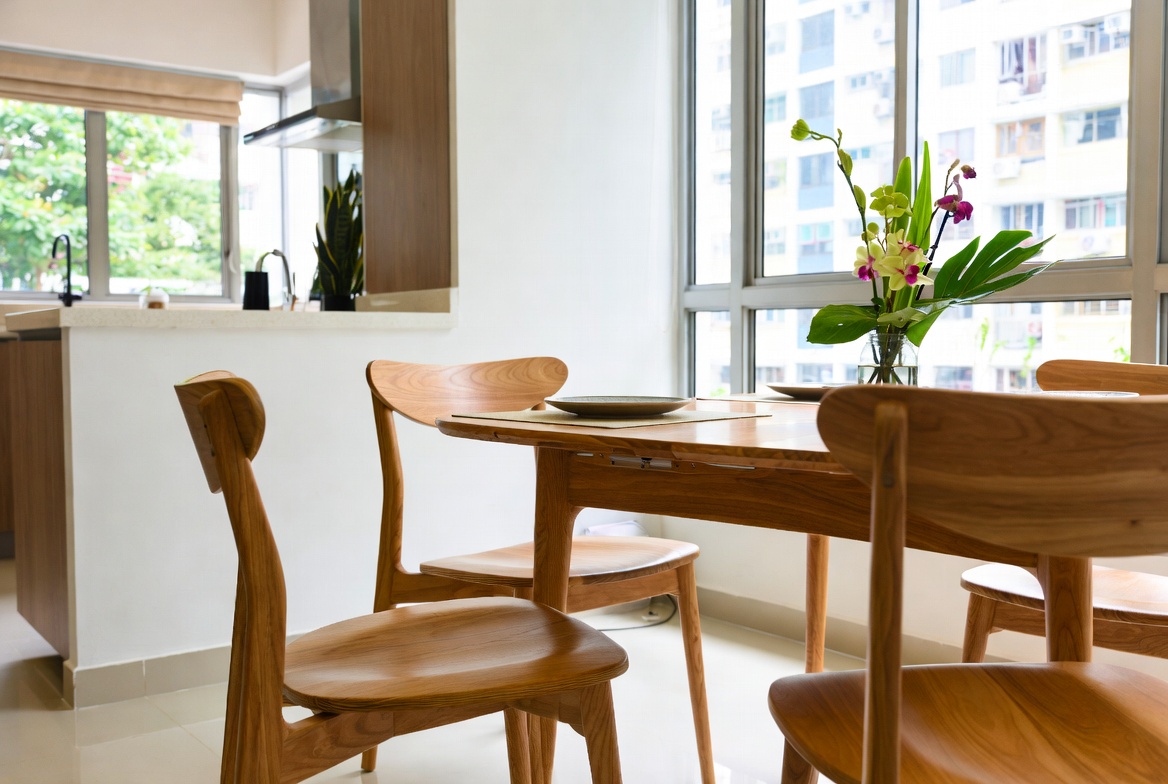
Okay, so you've got your display cabinet with adjustable shelves. Now what? With Singapore’s smaller living spaces and humid climate, finding home furnishings that’s both stylish and practical can feel like a constant search—especially when you want pieces that endure long-term without losing style or comfort. Many locals end up going with mainstream choices that seem fine on websites but disappoint in real life—either too lightweight for everyday household wear or not breathable enough for our weather. That’s why visiting a reliable singapore furniture showroom like those featured on Wondrous La Vie really stands out—it links you seamlessly with carefully chosen ranges of quality sofas, mattresses, dining sets, and more, with authentic showroom views or detailed visuals so you can be sure about what works perfectly in your Singapore home. You get that confidence knowing the furniture are tailored to local needs—resilient construction, practical proportions, and styles that truly make coming home feel good. In the end, the perfect platform turns what could be a frustrating task into an enjoyable journey toward a home you love coming back to every day.. How do you actually use them to create a visually appealing and functional display? Here are a few ideas:
For example, if you're displaying books, you might arrange them by height, with taller books on the bottom and shorter books on top. You could also create a visual triangle by placing a tall vase next to a stack of books and then adding a small decorative object in front.
Don't be afraid to experiment! Try different arrangements until you find something that you love. The beauty of adjustable shelves is that you can always change things up if you get bored.
And here's a little secret: sometimes, the most impactful displays are the simplest ones. A few carefully chosen items, arranged with intention and plenty of breathing room, can be more striking than a cabinet crammed full of stuff.
Investing in a display cabinet with adjustable shelves isn't just about making your home look good today; it's about investing in the future. As your life changes, your needs will change, and your display cabinet should be able to adapt along with you.
Maybe you'll start a new hobby and need space to display your creations. Maybe you'll inherit some family heirlooms that you want to showcase. Or maybe you'll simply decide that you want to redecorate and try a completely new look. With adjustable shelves, you'll be ready for anything.
Think of it this way: buying a display cabinet with fixed shelves is like buying a pair of shoes that are exactly your size. They might fit perfectly now, but what happens if your feet swell up after a long day? Or if you decide you want to wear thicker socks? Adjustable shelves are like shoes with adjustable straps – they give you the flexibility to adapt to different situations. Confirm can!
And let's not forget about resale value. A well-maintained display cabinet with adjustable shelves is more likely to appeal to potential buyers than one with fixed shelves. It's a feature that adds value to your home and makes it more attractive to a wider range of people.
So, when you're shopping for a display cabinet, don't just think about what you need today. Think about what you might need in the future. Adjustable shelves are a small investment that can pay off big time in the long run. They offer flexibility, versatility, and peace of mind, knowing that your display cabinet will always be able to adapt to your changing needs. Plus, you can always rearrange it when you feel sian with the current layout! It’s a win-win, really.
So, you've finally got the keys to your BTO flat! Congrats, lah! Now comes the fun (and sometimes stressful) part: turning that blank canvas into a home. And for many Singaporeans, space is a premium. We're all about making the most of every square foot, right? That's where clever furniture choices and smart design come in. Think multi-functional sofas, space-saving dining tables, and, of course, the ever-versatile display cabinet. But simply *having* a display cabinet isn’t enough. You’ve got to optimize it!
A well-organized display cabinet isn't just about storage; it's about showcasing your personality, your memories, and adding a touch of style to your living space. But here's the thing: cramming everything in willy-nilly? Not a good look. The key is to calculate shelf spacing like a pro to achieve that visual impact you want. We’re talking about creating a balanced, aesthetically pleasing arrangement that draws the eye and makes your prized possessions shine. Let's dive into how we can achieve this, even in a compact BTO flat.
Before you even think about measuring anything, take stock of what you actually want to display. Are we talking about your collection of vintage teacups? Your travel souvenirs? Maybe your prized collection of Funko Pops? Or perhaps a mix of books, photo frames, and decorative items? The type and size of your items will heavily influence the optimal shelf spacing for your display cabinet. Think about the tallest item, the widest item, and the overall aesthetic you're aiming for. This initial assessment will save you a ton of time and frustration later on.
Consider the depth of your shelves, too. A shallow shelf might be perfect for displaying small figurines, while a deeper shelf can accommodate larger items like vases or even small plants. Also, think about the weight your shelves can handle. Glass shelves, while stylish, might not be ideal for heavy objects. Particleboard shelves, commonly found in budget-friendly furniture, also have weight limits. Overloading them could lead to sagging or even breakage, and nobody wants that! So, know your items, know your shelves, and you're already halfway there. Steady pom pi pi!
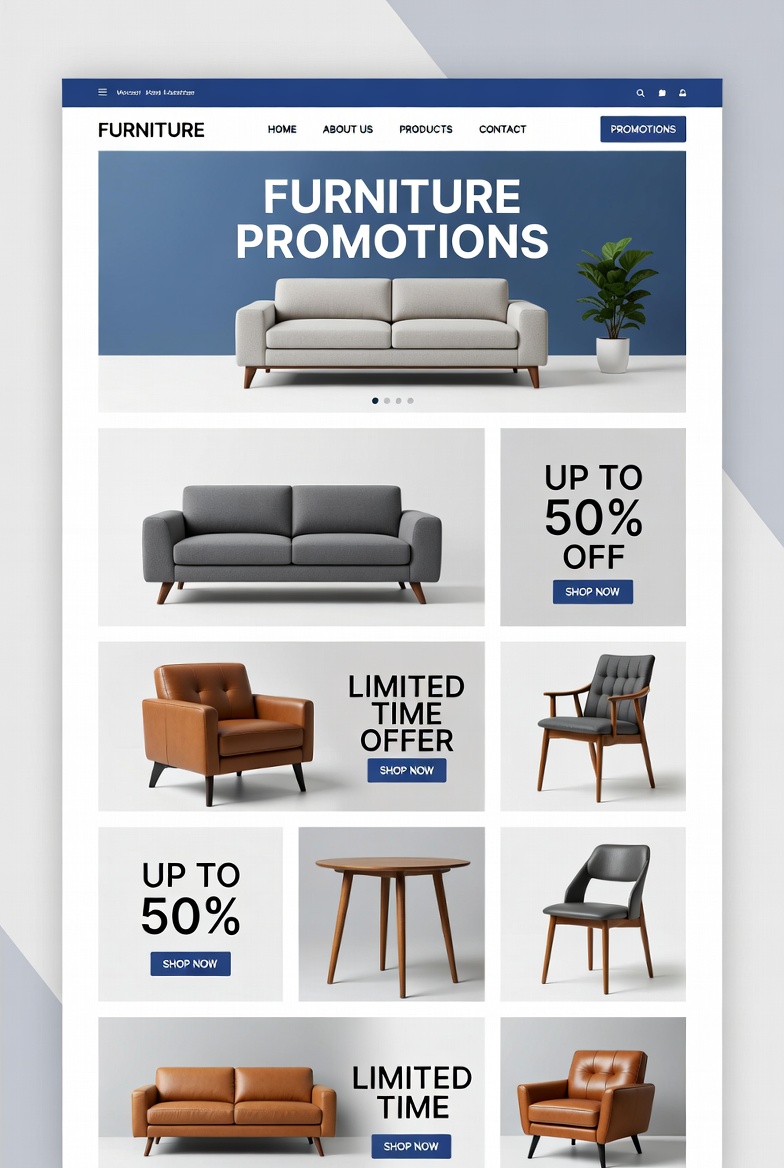
Don’t forget to factor in future additions! Will you be adding to your collection over time? If so, it's wise to leave some room for growth. You don't want to have to completely rearrange your display cabinet every time you acquire a new treasure. A little foresight goes a long way. Singaporeans are always on the lookout for clever opportunities to revamp their interiors without spending too much, especially when home upgrades in flats or condos can already eat up a big chunk of the household funds. Between rising costs and the desire for a cosier, more functional living space, many Singapore homeowners time their purchases carefully to upgrade sofas, mattresses, or dining sets that actually make daily life feel better. That’s when jumping on bed promotions turns into a huge advantage—it lets you snag premium quality furniture at significant savings, often with bonus offers like complimentary installation, added protection plans, or bundle deals that make your money go further. All of a sudden you’re able to buy that luxury seating you’ve wanted or a comfort-focused sleep upgrade without the guilt, turning your home into an truly welcoming retreat for bonding and rest after tiring office days. Exploring places like Wondrous La Vie puts you ahead on the current deals, so you can review, see in 3D, and snap up the top bargains that perfectly suit your space and style.. For instance, if you are planning to display books, measure the height of the tallest book you own and add an extra inch or two for breathing room. This ensures that your books fit comfortably without feeling cramped.
Okay, time for some numbers! But don't worry, it's not rocket science. The basic principle is to divide the total height of your display cabinet's interior by the number of shelves you want, taking into account the height of your tallest items. Let's say you have a cabinet that's 180cm tall, and you want to have four shelves. A simple calculation would be 180cm / 4 = 45cm per shelf. However, this is just a starting point. You need to factor in the height of your items.
For example, if your tallest item is 30cm, you'll want to make sure at least one shelf has that much clearance. You might then adjust the spacing of the other shelves to accommodate smaller items. A good rule of thumb is to add a few extra centimeters above your tallest item to allow for visual breathing room. Nobody wants a display that feels cluttered and claustrophobic. Remember, negative space is your friend! It helps to highlight individual items and create a sense of balance.
Adjustable shelves are your best friend here. If your display cabinet has adjustable shelves, you have a lot more flexibility in customizing the spacing. You can experiment with different arrangements until you find one that you like. If your shelves are fixed, you might need to get creative with risers or platforms to create different levels and add visual interest. You can use books, boxes, or even small decorative objects to elevate certain items and make them stand out. It's all about playing around and finding what works best for you and your collection.
Now for the fun part: arranging your items! This is where you can really let your creativity shine. Think about creating a visual hierarchy. Place your largest or most eye-catching items at eye level to draw attention. Use smaller items to fill in the gaps and create a sense of balance. Consider using the "rule of thirds," a basic principle of design that suggests dividing your display into thirds, both horizontally and vertically, and placing key items at the intersections of these lines. This can help to create a more visually appealing and balanced arrangement.
Don't be afraid to experiment with different textures and colors. Mixing different materials, like glass, wood, and metal, can add visual interest. You can also use color to create a focal point or to tie different items together. For example, you could group items of similar colors together or use a contrasting color to highlight a particular item. Lighting also plays a crucial role. Consider adding LED strip lights inside your display cabinet to illuminate your items and make them stand out. This is especially effective for displaying glass or crystal items.
Remember, there's no right or wrong way to arrange your display cabinet. It's all about personal preference. The most important thing is to create a display that you love and that reflects your personality. And if you're not happy with the way things look, don't be afraid to rearrange them! It's a process of trial and error. You can even take photos of different arrangements and compare them to see which one you like best. After all, it's your home, your style, and your treasures. So, have fun with it!
Alright, let's get down to a real-life example. Imagine you've just moved into your brand-new BTO flat, and you've got a display cabinet with three fixed shelves. The total height of the interior is 120cm. You want to display a mix of books, photo frames, and small decorative items. Let's break it down, can?
First, measure your tallest book. Let's say it's 25cm tall. You'll want to allocate at least 30cm for that shelf. Then, consider the height of your photo frames. If they're around 20cm tall, you'll need at least 25cm for those shelves. This leaves you with around 35cm for the remaining shelf. You can use this shelf to display smaller items, like figurines or candles. Now, the shelves are fixed, so how to arrange? You can use risers to create height in the shelves that are not used for the tallest item.
To add visual interest, try grouping items by color or theme. For example, you could create a "travel" shelf with souvenirs from your trips. Or you could create a "family" shelf with photos and mementos of your loved ones. Don't be afraid to add personal touches, like a small plant or a string of fairy lights. These little details can make a big difference in creating a warm and inviting atmosphere. And remember, it's all about making your display cabinet a reflection of you and your unique style. So, go ahead and get creative! Confirm your BTO will look amazing!
In display cabinets, shelf spacing should highlight key products and create focal points. Adjustable shelving allows for flexibility in accommodating different product sizes and display arrangements. Lighting within the cabinet can be used to enhance the visual appeal of spaced shelves.
Product height is a primary determinant, but consider packaging variations and potential future product lines. Customer reach and accessibility are also crucial; shelves should be spaced to allow easy browsing. The overall aesthetic and desired visual impact should guide spacing decisions.
Shelf spacing dictates the amount of product that can be displayed, directly impacting sales. Adequate space ensures products are easily accessible and prevents overcrowding, which can deter customers. Optimizing shelf spacing enhances the visual appeal of displays, drawing attention and encouraging purchases.
Alright, here's an HTML fragment for the conclusion, aiming for that human, engaging tone for our Singaporean audience.
So, we've journeyed through the world of shelf spacing, haven't we? In Singapore’s compact HDB flats and modern residences, the master bedroom often doubles as a sanctuary—a haven for unwinding after hectic work shifts, do some light reading, or even set up a temporary WFH corner when the situation calls for it. It’s common for homeowners to feel frustrated by arrangements that feel cramped, overly bright illumination, or cluttered cabinets taking up room, making the room feel more practical than peaceful. That’s where thoughtful singapore mattress store really shines—it centres around intelligent layout optimisation, soothing neutral tones, space-saving furniture, and clever lighting to create a peaceful retreat that optimises relaxation while keeping everything tidy and airy. SUDDENLY the bedroom turns into the place you can’t wait to reach at the close of each day, helping you relax quicker, sleep deeper, and rise feeling energised and ready for the day ahead. Sites such as Wondrous La Vie provide tons of authentic project showcases and straightforward links to experts focused on these functional and stylish local bedroom renovations.. From maximizing space in your HDB flat to creating a visually stunning display cabinet, it's all about finding that sweet spot. It's not just about shoving everything in, you know? It's about making your home a reflection of *you*.
Think about it: your home is your sanctuary, especially in our bustling Singapore. After a long day chiong-ing at work, you want to come back to a space that feels calming and organized, not chaotic. And a well-organized display cabinet? Confirm can help with that!
We talked about functionality, visual appeal, and space optimization. And honestly, it can feel like a juggling act, *lah*. But remember, there's no one-size-fits-all answer. Your shelf spacing should be as unique as your collection of vintage cameras, your stash of comics, or your prized collection of those cute animal figurines that you bought from your trip to Japan.
Don't be afraid to experiment! Try different arrangements. See what works best for your items and your eye. Maybe you want to showcase your taller decorative items with wider spacing on one shelf, and group smaller items closer together on another. Play around with it! It's your space, after all.
And let's be real, sometimes, you'll get it wrong. Maybe you'll realize a week later that the spacing just isn't working. That's okay! It's all part of the process. Just adjust, rearrange, and keep tweaking until you're happy. It's like perfecting your char kway teow recipe – a little bit of this, a little bit of that, until it's just right.
Consider the long-term, too. As your life evolves, so will your needs. Maybe you'll start a new hobby and need more space for your supplies. Or maybe you'll decide to downsize your collection. Your shelf spacing should be flexible enough to adapt to these changes. Think of investing in adjustable shelves to cater to future needs.
Ultimately, the best shelf spacing is the one that makes you happy. The one that allows you to display your treasures in a way that is both beautiful and functional. The one that turns your display cabinet into a focal point of your home, a conversation starter, a source of pride.
So go forth and conquer your shelves! Don't be afraid to get creative, to personalize, and to make your space your own. Because at the end of the day, your home should be a reflection of the amazing person you are. And your display cabinet? Well, that's just one small but mighty piece of the puzzle. Steady, and have fun with it!
And hey, here's a little something to think about: Did you know that the way you arrange your shelves can actually impact the perceived value of the items on display? It's true! Strategically placed lighting and thoughtful spacing can make even the most humble trinket look like a million bucks. Food for thought, *leh*?
One last thing: Remember that finding the right furniture, including the perfect display cabinet shelving and storage solutions, is a journey. Don't rush the process. Take your time, explore your options, and choose pieces that truly resonate with you. After all, these are the things that will fill your home and your life for years to come. So choose wisely, and choose with love.