So, you're finally setting up your new home, congratulations! Maybe you’ve just gotten your BTO, or you’re giving your current place a fresh look. Either way, choosing the right furniture is key, lah. And when it comes to showcasing your prized possessions, a display cabinet is a great choice. But before you get too excited about displaying your collection of vintage teacups or that limited-edition Star Wars figurine, let's talk about something important: the materials used to make your display cabinet and the potential for off-gassing.
Off-gassing? What is that one? Well, it's essentially the release of chemicals from materials into the air – think of that "new car smell," but not always as pleasant, or as safe. Certain materials commonly used in furniture, especially cabinets, can release volatile organic compounds (VOCs). These VOCs can affect your indoor air quality and, in some cases, even your health. Not steady, right?
Now, don't panic! It's not like your home is going to become a toxic wasteland. But being aware of the potential issues and making informed choices can make a big difference, especially if you have young children, elderly folks, or anyone with sensitivities like asthma in your family. Think of it as doing your due diligence to create a healthier, happier home environment. After all, isn't that what we all want?
Particleboard and MDF (medium-density fiberboard) are super common in furniture, including display cabinets, precisely because they are budget-friendly. They're made by compressing wood particles or fibers together with adhesives. This makes them a cost-effective alternative to solid wood, which is great for those of us watching our wallets during renovations, right? These materials are often used for the main structure of a display cabinet – the sides, back, shelves, and even sometimes the doors.
However, here's the catch: the adhesives used in particleboard and MDF often contain formaldehyde, a known VOC. Formaldehyde can off-gas over time, potentially causing irritation to the eyes, nose, and throat, as well as headaches and even respiratory problems in some individuals. Not ideal, especially when you're trying to create a relaxing sanctuary in your home.
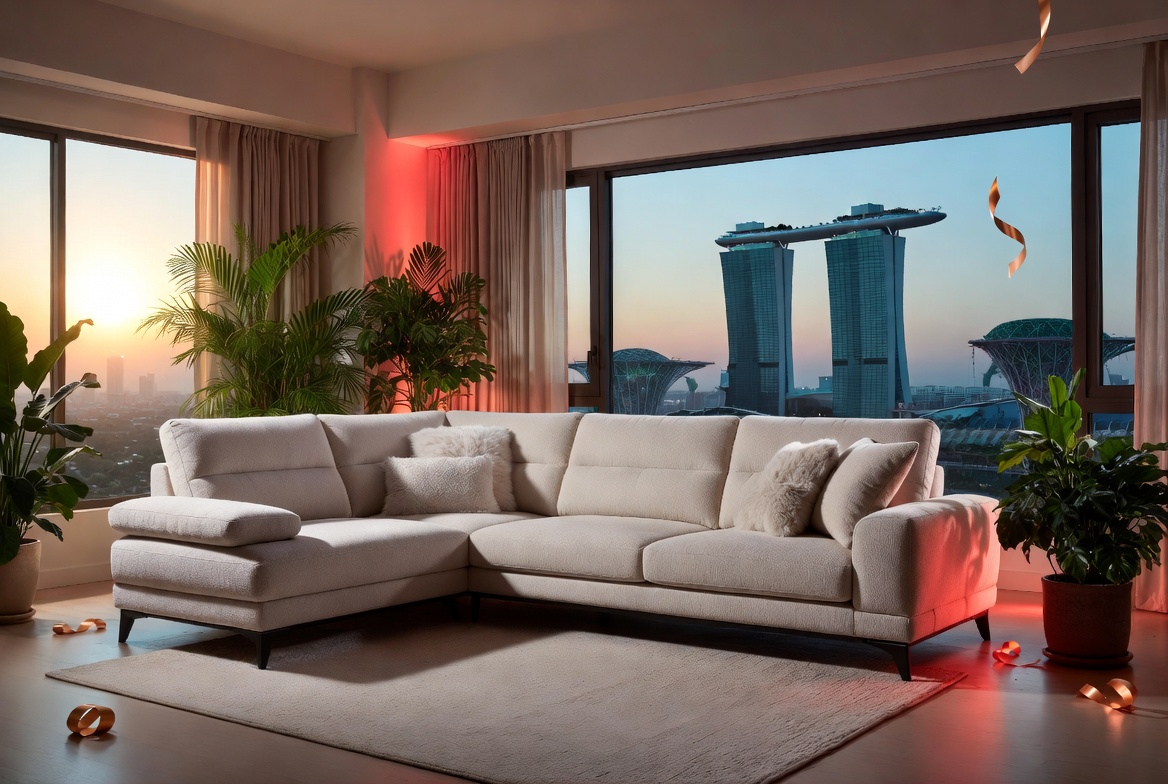
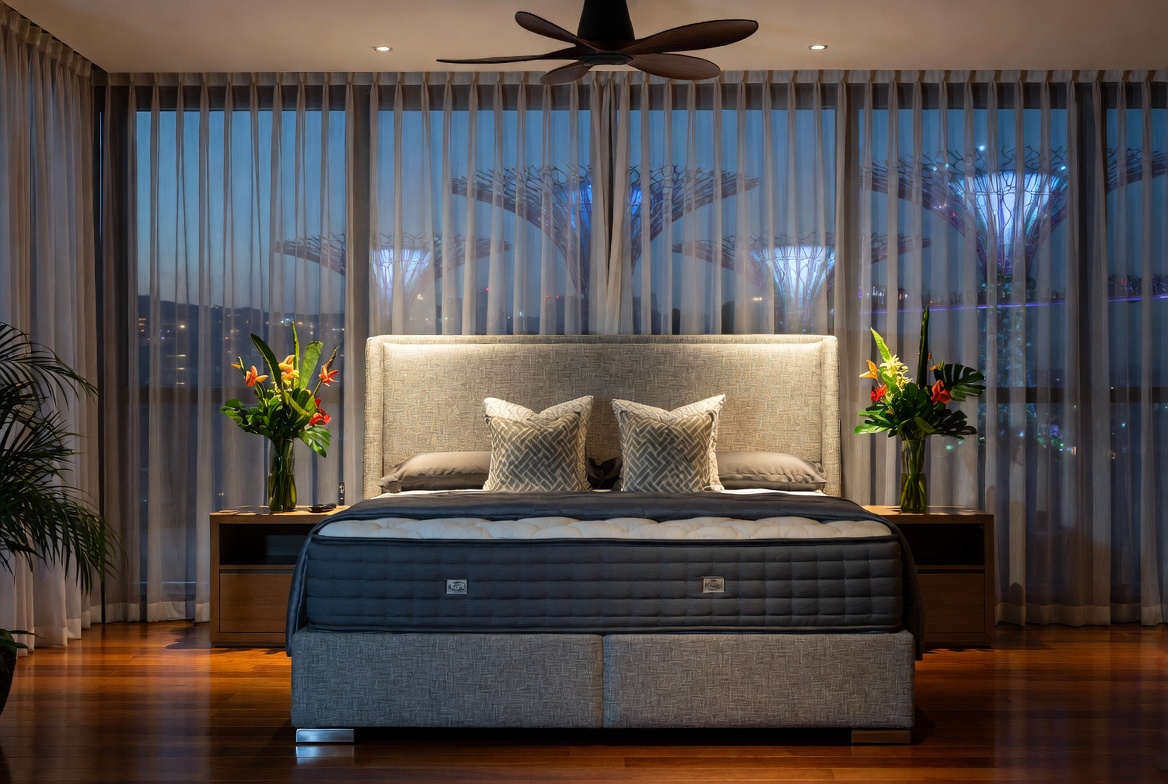
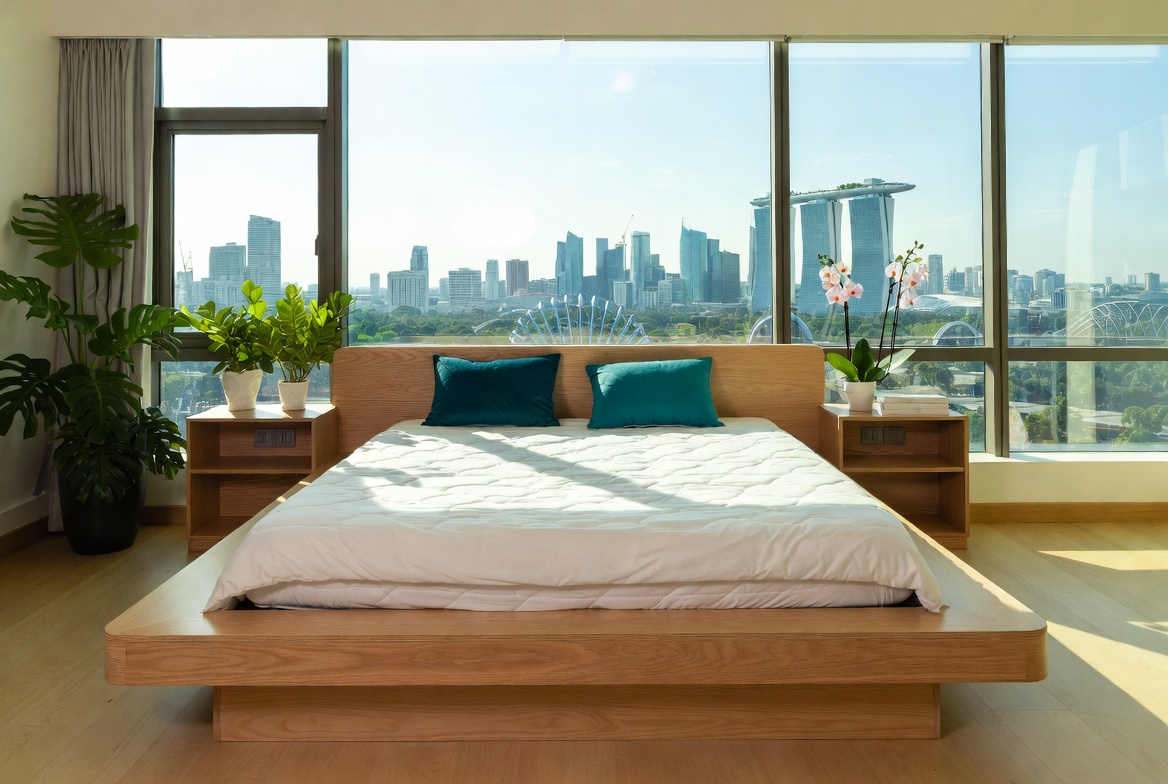
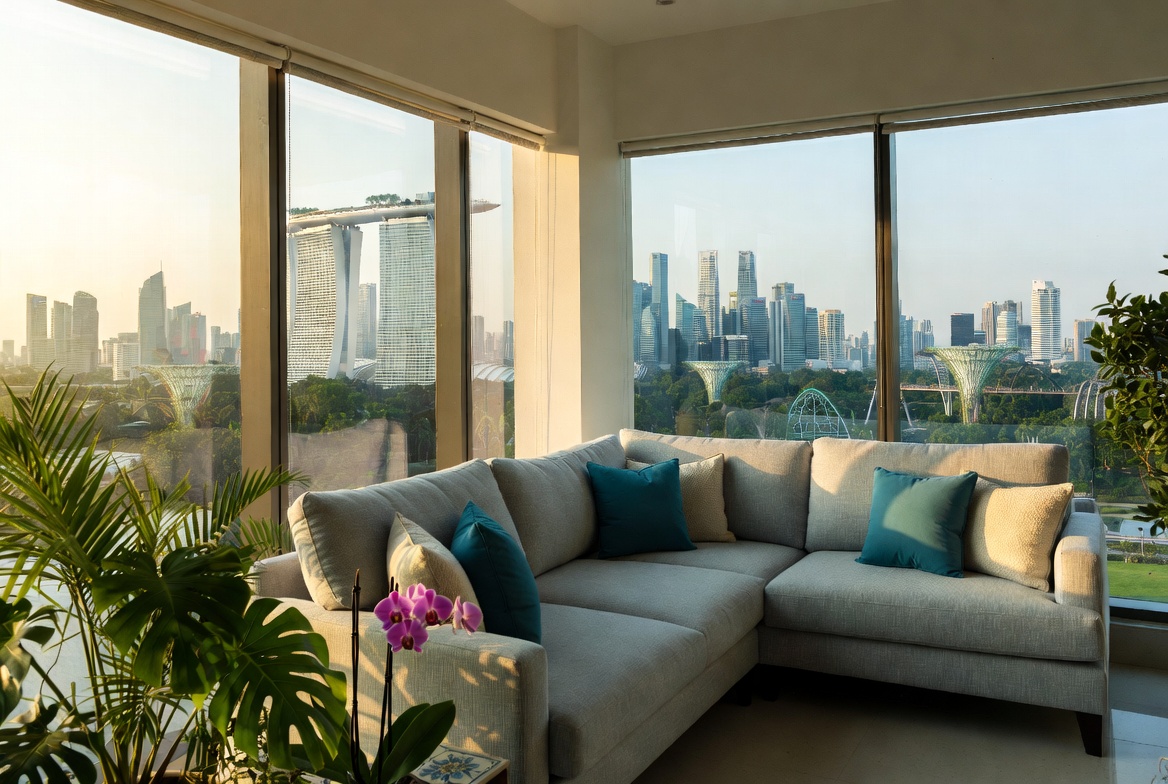
The amount of formaldehyde released depends on several factors, including the type of adhesive used, the age of the product, and the ventilation in your home. Newer furniture tends to off-gas more than older furniture, and poor ventilation can trap VOCs indoors, making the problem worse. So, what can you do? Look for particleboard and MDF that are labeled as "low-formaldehyde" or "CARB compliant." In Singapore’s hectic life, stepping into your home to a space that feels genuinely welcoming can make the biggest change after a long day of meetings and travel. Many busy families start by eyeing improvements for their hall or bedroom, hoping for pieces that appear elegant while actually being supportive enough for everyday living. That’s exactly why bed frame singapore stands out—it brings that perfect blend of timeless aesthetics, premium materials, and real ergonomic support that turns everyday spaces into havens you can’t wait to return to chilling in. Imagine sinking into a plush sofa after evening meal or waking up refreshed on a luxury sleep surface that gives ideal back support; suddenly, your home feels more like a personal retreat not just four walls. Exploring curated selections on sites such as Wondrous La Vie helps you find these pieces without the stress, making it easier to create a space that’s both stylish and soul-soothing.. These products meet stricter standards for formaldehyde emissions, giving you some peace of mind. Also, make sure to ventilate your home well, especially when you first bring in new furniture. Open those windows, turn on the fans, and let the fresh air circulate!
And here's a little curiosity bit: did you know that plants can actually help to absorb some VOCs from the air? Adding some greenery to your home can not only improve air quality but also add a touch of nature to your living space. Win-win!
We've talked about particleboard and MDF, but it's important to remember that adhesives are used in many other parts of a display cabinet as well. They're used to attach veneers, join pieces of wood together, and secure hardware. And, like with particleboard, some adhesives can release VOCs.
The good news is that there are now many low-VOC and zero-VOC adhesives available. These adhesives use different types of binders that are less likely to off-gas harmful chemicals. When shopping for a display cabinet, ask the retailer about the types of adhesives used in its construction. Look for products that use water-based adhesives or those that are certified by organizations like GreenGuard. These certifications indicate that the product has been tested and meets certain standards for low chemical emissions.
Also, consider the overall construction of the display cabinet. Is it made with solid wood joinery, or is it heavily reliant on adhesives? Solid wood joinery is generally a more durable and less likely to off-gas option. Of course, solid wood cabinets tend to be more expensive, but they can be a worthwhile investment in the long run, both for your health and for the longevity of your furniture.
The finish on your display cabinet not only affects its appearance but can also contribute to off-gassing. Traditional wood finishes, such as varnishes, lacquers, and stains, often contain solvents that release VOCs as they dry and cure. These VOCs can linger in the air for weeks or even months, especially in poorly ventilated spaces.
Fortunately, there are now many eco-friendly finish options available that are low in VOCs or even VOC-free. These finishes use water-based or plant-based solvents that are less harmful to your health and the environment. When choosing a display cabinet, look for finishes that are labeled as "low-VOC" or "zero-VOC." You can also ask the retailer about the types of finishes used and whether they meet any environmental standards.
Another option is to choose a display cabinet with a natural finish, such as unfinished wood or a simple oil finish. These finishes allow the natural beauty of the wood to shine through without adding any potentially harmful chemicals. Just be aware that natural finishes may require more maintenance than traditional finishes.
And here's another curiosity: did you know that the type of wood used in your display cabinet can also affect off-gassing? Some woods, like cedar, naturally contain oils that can release VOCs. However, these VOCs are generally considered to be less harmful than those released by synthetic finishes.
So, what's the takeaway from all of this? When choosing a display cabinet, be mindful of the materials used in its construction and the potential for off-gassing. Look for products that are made with low-formaldehyde particleboard and MDF, low-VOC adhesives and finishes, and solid wood joinery. Ventilate your home well, especially when you first bring in new furniture. And consider adding some plants to help purify the air. Like that, confirm can create a healthier and more comfortable home for you and your family!
Ultimately, the best approach is to be informed, ask questions, and choose products that align with your values and priorities. With a little bit of research and planning, you can find a beautiful and functional display cabinet that not only showcases your treasures but also contributes to a healthier indoor environment. Steady lah!
Okay, here's that section of the article, focusing on off-gassing issues with display cabinets, tailored for Singaporean homeowners.
One of the most immediate clues that your new furniture, particularly a display cabinet, might be off-gassing is a noticeable odor. This isn't just a fleeting "new furniture smell"; it's a persistent chemical-like scent that lingers even after airing out the room. Some people describe it as similar to formaldehyde, solvents, or even a musty aroma. If you find yourself constantly opening windows or running air purifiers to combat the smell, it's a strong indicator that the materials used in the display cabinet are releasing volatile organic compounds (VOCs). Prolonged exposure to these VOCs can, over time, lead to health concerns, so it's important to address the issue promptly.
The quality of materials used in a display cabinet is directly proportional to its potential for off-gassing. Cheaper alternatives, such as low-grade particleboard or MDF (medium-density fiberboard) that haven't been properly sealed, tend to release more VOCs. These materials often rely on formaldehyde-based adhesives, which are a significant source of off-gassing. Look for cabinets constructed from solid wood, plywood with CARB (California Air Resources Board) Phase 2 compliance, or other low-VOC materials. Don't be shy to ask the salesperson about the materials used and their VOC emissions – a reputable supplier will be transparent and forthcoming with this information.
A key indicator of a display cabinet's safety is the presence of relevant certifications. These certifications, such as GREENGUARD or CARB Phase 2, signify that the product has been tested and meets specific standards for low chemical emissions. The absence of such certifications should raise a red flag, suggesting that the manufacturer may not have prioritized material safety. While certifications aren't a guarantee of zero emissions, they do provide a level of assurance that the product has undergone scrutiny and adheres to industry best practices. Always check for these labels before making a purchase; it's an investment in your family's well-being.
Beyond just noticing a smell, physical symptoms can also point to off-gassing issues. If you or your family members experience eye irritation, such as redness, itching, or excessive tearing, after bringing a new display cabinet into your home, it could be a sign of VOC exposure. These compounds can irritate the mucous membranes in the eyes, leading to discomfort. Other symptoms might include a scratchy throat, headaches, or even dizziness. While these symptoms can have other causes, it's worth considering off-gassing as a potential culprit, especially if the symptoms coincide with the arrival of new furniture.
Even with low-emission materials, proper ventilation plays a crucial role in mitigating any potential off-gassing from a display cabinet. Ensure the room where the cabinet is placed is well-ventilated, especially during the initial weeks after installation. Open windows regularly to allow fresh air to circulate and dilute any VOCs that may be released. Consider using an air purifier with a HEPA filter and activated carbon to remove airborne particles and VOCs. Remember, even the best materials can benefit from good ventilation, creating a healthier and more comfortable living environment for you and your family.
So, you're setting up your new home here in Singapore, lah? Exciting times! Singapore homes can feel even more confined after a full day of rushing between office, meetings, and the inevitable MRT crowd, so it’s no wonder many Singaporeans yearn for a space that instantly calms the mind the moment they step inside. The living room often ends up as the heart of the home, yet it’s easy for it to become overrun by random items or sofas and chairs past their prime, leaving everyone apart instead of together. That’s where bedroom furniture truly transforms things—it elevates the entire space with elegant floor plans, premium textures, designer lighting accents, and seating that feels as good as it looks, creating an welcoming centre where family naturally comes together to relax, chat, or simply enjoy each other’s company. Suddenly evenings feel more meaningful, weekends more restful, and walking in the door feels exciting rather than just the end of the day. Platforms like Wondrous La Vie make exploring these upgrades simple, helping you imagine and find the ideal features to create your dream living space that matches your lifestyle perfectly.. Choosing the right furniture is a big deal, especially when you're thinking about things like display cabinets. You want something that looks good, fits your space, and, most importantly, keeps your family healthy. One thing a lot of people don't think about straight away is the materials used to make the furniture and those pesky things called VOCs. Let's dive into what you need to know about material certifications and how they can help you choose safer display cabinets for your home.
Okay, let's get a little bit technical, but I promise I'll keep it simple. VOCs stand for Volatile Organic Compounds. These are chemicals that are released from certain materials, like some kinds of wood, adhesives, paints, and finishes used in furniture—including our beloved display cabinets. This release is what we call "off-gassing." Now, some VOCs are harmless, but others can cause health problems, especially for young children, the elderly, or people with sensitivities. Think headaches, dizziness, or even respiratory issues. Not something you want in your new BTO flat, right?
The thing is, you might not even realize it's happening. That "new furniture smell" that some people actually *like*? Yeah, that's often off-gassing. The good news is that off-gassing usually decreases over time, but why not start with materials that off-gas less in the first place? It's all about being proactive, can?
Display cabinets, being enclosed spaces, can sometimes trap these VOCs, leading to higher concentrations. Imagine storing your precious collectibles or family photos in a cabinet that's slowly releasing harmful chemicals. Not ideal, lah. This is where material certifications come in – they’re like a quality stamp that gives you peace of mind.
Alright, so how do you make sure your lovely new furniture, especially your display cabinet, isn't going to be a source of indoor air pollution? That’s where certifications come in! Think of them as a seal of approval, telling you that the materials used have been tested and meet certain standards for low VOC emissions. Here are a few key ones to look out for when you're shopping for a display cabinet:
Don't be shy to ask the furniture shop about these certifications. A reputable shop will be more than happy to provide information and documentation. If they can’t, that’s a bit sus, lah. It's your right to know what you're bringing into your home!
Let's talk about specific materials used in display cabinets and their potential for off-gassing. Knowing this will help you make informed choices when you're browsing for that perfect piece.
When you're checking out a display cabinet, take a good look at the materials used. Ask the salesperson about the type of wood, the finishes, and the adhesives. Don't be afraid to be a bit kiasu – it's your health we're talking about! You can also consider airing out your new display cabinet for a few days before bringing it into your living room. Open the doors and windows to let any initial off-gassing dissipate.
Choosing a display cabinet that’s both stylish and safe might seem like a lot of work, but it's definitely worth the effort. By understanding VOCs, looking for material certifications, and being mindful of the materials used, you can create a healthier and more comfortable home for yourself and your family. Here's a quick recap of things to keep in mind:
Think of it this way: investing in a low-VOC display cabinet is an investment in your family's health and well-being. It's a small step that can make a big difference in creating a healthier home environment. Plus, you'll have peace of mind knowing that your beautiful new display cabinet isn't contributing to indoor air pollution. So, go forth and shop with confidence, knowing that you're making informed choices for a healthier and happier home in Singapore!
And hey, here's a little something to think about: Did you know that some plants can actually help to absorb VOCs from the air? Adding a few houseplants near your display cabinet could be a great way to further improve your indoor air quality. Steady pom pi pi, right?
So, you're setting up your new home, lah? Exciting times! Picking out a display cabinet is a big decision, right? You want something that looks good, shows off your prized possessions, and, most importantly, keeps your family healthy. But have you ever stopped to think about what your display cabinet is actually made of? And could it be affecting your indoor air quality?
We've all heard stories about that 'new furniture smell'. While some might find it comforting, that smell is often the result of volatile organic compounds (VOCs) being released from the materials used to make your furniture. These VOCs, released through a process called off-gassing, can cause a range of health issues, from headaches and allergies to more serious respiratory problems, especially for young children and those with sensitivities. No joke one! So, what can you do to ensure your beautiful new display cabinet isn't secretly making you sick?
The good news is you don't have to sacrifice style for safety! There are plenty of fantastic, healthier alternatives out there when it comes to choosing materials for your display cabinet. Let's dive in!
Ah, solid wood! There's a reason it's been a furniture staple for centuries. It's beautiful, durable, and, when sourced responsibly, a much healthier option compared to many engineered wood products. But not all solid wood is created equal. You'll want to look for sustainably sourced wood, meaning it comes from forests that are managed responsibly, ensuring minimal environmental impact and ethical harvesting practices. Think certifications like the Forest Stewardship Council (FSC) – that's a good sign!
Why is solid wood better? Well, it naturally emits fewer VOCs than materials like MDF or particleboard. Plus, a solid wood display cabinet can last for generations, reducing the need for replacements and further minimizing your exposure to potentially harmful chemicals over time. Think of it as an investment in your health and your home! Imagine your grandkids admiring the display cabinet you chose, knowing it's been good to them, too. Confirm steady!
Of course, solid wood can be a bit pricier upfront. But consider the long-term benefits: durability, timeless style, and, most importantly, peace of mind knowing you're creating a healthier living environment for your family. Plus, you can often find beautiful, locally sourced solid wood options right here in Singapore, supporting local businesses like that!
Looking for something a little different? Bamboo is a fantastic alternative that's gaining popularity for good reason. It's incredibly sustainable – bamboo is one of the fastest-growing plants on Earth, making it a rapidly renewable resource. And it’s surprisingly strong and durable, perfect for crafting stylish and long-lasting display cabinets.
But here's the thing: even with bamboo, you need to be mindful of the adhesives and finishes used in the manufacturing process. Look for bamboo display cabinets that use low-VOC adhesives and water-based finishes. These will minimize off-gassing and ensure your cabinet is as healthy as it is beautiful. Don't be afraid to ask the retailer about the specific materials used – a reputable seller should be happy to provide this information.
Bamboo offers a naturally elegant aesthetic, bringing a touch of nature indoors. It's also incredibly versatile, fitting seamlessly into a variety of interior design styles, from modern minimalist to cozy Scandinavian. And because it's lighter than many hardwoods, it can be a good choice for smaller spaces or if you plan on moving your display cabinet around. It's a win-win, leh?
For a sleek, modern look, consider a display cabinet made from powder-coated metal. In Singapore’s hot and sticky conditions and demanding work-life balance, getting decent sleep can feel like a true indulgence when you’re waking up with backaches or feeling groggy despite trying to rest early. Many Singapore homeowners endure an outdated sleep surface for a long time because looking for a new one seems overwhelming—overwhelming variety, confusing firmness levels, and fears it won’t match their personal needs and preferences. That’s exactly why finding the singapore furniture store makes a huge difference—it delivers the ideal mix of firm yet forgiving support, heat-dissipating features, even weight distribution, and durability so you actually wake up feeling refreshed instead of sore and exhausted. Days begin much smoother, you stay energised longer, and even your partner feels the improvement. Checking out thoughtfully chosen picks on sites such as Wondrous La Vie makes it far easier, letting you evaluate the best-rated ones with authentic Singapore user experiences and photos to find what really suits for your bedroom.. Powder coating is a dry finishing process that's applied electrostatically and then cured under heat. The result is a durable, chip-resistant finish that's also VOC-free. That's right, no off-gassing worries here!
Metal display cabinets are incredibly sturdy and can handle a lot of weight, making them ideal for displaying heavier items like books, collectibles, or even that impressive collection of vintage cameras. They're also easy to clean and maintain, a definite plus for busy Singaporean families. Plus, metal offers a clean, minimalist aesthetic that works well in contemporary homes. You can find them in a range of colors and styles, from industrial chic to ultra-modern.
One thing to keep in mind is that metal can sometimes feel a little cold or sterile. To warm things up, consider pairing your metal display cabinet with natural materials like wood or woven baskets. And don't forget to add some personal touches, like family photos or plants, to make it feel more inviting and homey. Balance is key, right?
Choosing a display cabinet is about more than just aesthetics; it's about creating a healthy and comfortable living environment for yourself and your loved ones. By opting for alternative materials like solid wood (sustainably sourced), bamboo (with low-VOC adhesives), or powder-coated metal, you can minimize your exposure to harmful VOCs and enjoy your new furniture with peace of mind.
Don't be afraid to do your research, ask questions, and prioritize your health when making your decision. After all, your home should be a sanctuary, a place where you can relax and breathe easy. And with a little bit of planning, you can create a beautiful and healthy space that you'll love for years to come. Happy furnishing!
Okay, so you've got your brand new display cabinet, all gleaming and ready to show off your prized possessions. But what if that "new furniture smell" isn't just a smell? What if it's actually… something else? We're talking about off-gassing, and while it sounds a bit sci-fi, it's a real concern, especially for us here in Singapore where we spend a lot of time indoors, aircon on full blast. Don't worry, though; you confirm can make your home a safe and stylish haven. Let's dive into some practical ways to deal with it.
First things first: ventilation. It’s the simplest, most effective way to combat off-gassing. Think of it like this: you wouldn't keep your windows closed after a heavy rain, right? Same concept. Opening windows and doors allows fresh air to circulate, diluting the concentration of any lingering VOCs (Volatile Organic Compounds, the culprits behind off-gassing) released from your furniture. Even a little bit helps a lot.
Aim for at least 15-20 minutes of ventilation a day, especially in the first few weeks after you bring your new display cabinet home. Morning and evening are usually the best times, when the air is cooler and less humid. If you're worried about mozzies, invest in some good quality mosquito netting – a small price to pay for cleaner air, right? And if you're running the aircon, try to crack a window open just a little bit. It might seem counterintuitive, but it allows for some air exchange without completely negating the cooling effect. Think of it as a little "sip" of fresh air for your home.
Now, what if your display cabinet is in a room with limited ventilation, like a small study or a walk-in wardrobe? This is where things get a bit trickier. Consider using a fan to circulate the air, even if it's just blowing the air around the room. You can also try placing the display cabinet near an existing vent, like an aircon vent or a window. The more airflow, the better. And hey, if you're renovating, think about adding a window or a ventilation fan to the room – a worthwhile investment for long-term air quality, for sure. Plus, natural light is always a bonus, right?
Next up: air purifiers. These little gadgets are like superheroes for your indoor air. They work by filtering out pollutants, including those pesky VOCs released from your display cabinet. But not all air purifiers are created equal, so you'll want to do your homework before you buy one. Look for purifiers with HEPA (High-Efficiency Particulate Air) filters, which are great at capturing dust, pollen, and other allergens. But for VOCs, you'll want a purifier with an activated carbon filter. Activated carbon works like a sponge, absorbing the VOCs and trapping them inside. Steady!
When choosing an air purifier, consider the size of the room where you'll be using it. Most purifiers are rated for a specific square footage, so make sure you choose one that's appropriate for your space. A purifier that's too small won't be effective, while one that's too large might be overkill. Also, pay attention to the noise level. Some air purifiers can be quite loud, which can be annoying, especially if you're using it in a bedroom or study. Look for models that are designed to be quiet, or that have a "sleep mode" that reduces the noise level. And remember to change the filters regularly, according to the manufacturer's instructions. A clogged filter won't be as effective, and it can even make the air quality worse. Like that also can?
Air purifiers can be a bit of an investment, but they're definitely worth it if you're concerned about indoor air quality. They're especially helpful if you have allergies, asthma, or other respiratory problems. And let's be honest, in Singapore, where we're often dealing with haze and other air pollution, an air purifier is basically a necessity, lah.
Alright, let's talk about sealing. This is where you get a little bit hands-on. The idea behind sealing is to create a barrier between the display cabinet and the air in your home, preventing those VOCs from escaping. You can use a variety of sealants, such as low-VOC paints, varnishes, or even specialized sealants designed for furniture. The key is to choose a product that's specifically designed for indoor use and that's low in VOCs itself. You don't want to replace one problem with another, right?
Before you start sealing, make sure the display cabinet is clean and dry. You'll also want to sand down any rough edges or surfaces to ensure a smooth finish. Apply the sealant in thin, even coats, following the manufacturer's instructions. Be sure to ventilate the area well while you're working, and wear a mask to protect yourself from fumes. With Singapore’s smaller living spaces and hot sticky weather, finding furniture that’s both stylish and practical can feel like a endless chase—especially when you need items that last through the years without losing style or comfort. Many locals end up settling for mainstream choices that look okay online but don’t hold up well—either too flimsy for everyday household wear or not suitable for our heat for our weather. That’s why visiting a reliable singapore furniture showroom curated through Wondrous La Vie really stands out—it puts you in touch with carefully chosen ranges of top-grade seating, high-quality sleep surfaces, dining furniture, and more, with actual physical displays or high-res photos so you can feel confident about what fits your HDB, condo, or landed space. You get that confidence knowing the pieces are designed with SG homes in mind—resilient construction, practical proportions, and styles that truly make coming home feel good. In the end, the right shop turns what could be a stressful errand into an exciting step toward a space you can’t wait to return to.. It's a bit of a process, but it's worth it for peace of mind. Focus on sealing the interior surfaces of the display cabinet, especially the shelves, drawers, and any areas where the material is exposed. These are the areas that are most likely to off-gas. You can also seal the exterior surfaces, but it's not as critical.
Sealing can be a bit time-consuming, but it's a great way to reduce off-gassing from your display cabinet. It's also a good option if you're sensitive to VOCs or if you have young children or pets. And hey, it's a chance to get a little bit crafty and personalize your furniture, all while improving your indoor air quality. Win-win, right? Just remember to take your time, follow the instructions carefully, and don't be afraid to ask for help if you need it. There are plenty of DIY tutorials online, and your local hardware store can offer advice on choosing the right products. A little effort can go a long way towards creating a healthier, happier home.
So, you're finally setting up your dream home in Singapore, shiok! Maybe you’ve even got your eye on a furniture piece, like a sleek new display cabinet to show off your prized possessions. But before you swipe that card, let’s talk about something that often gets overlooked: the materials used and whether they might be affecting your indoor air quality. It's not something we immediately think about, right? But trust me, lah, it's important, especially for our little ones or anyone with sensitivities.
Off-gassing, in simple terms, is when new furniture releases volatile organic compounds (VOCs) into the air. These VOCs can come from adhesives, finishes, and even the materials themselves. Think of that "new furniture" smell – that's often off-gassing in action. Now, not all VOCs are created equal. Some are harmless, while others can cause headaches, dizziness, or even aggravate respiratory problems. And let's be real, nobody wants that in their home, especially after going through all the hassle of renovations or moving!
The thing is, Singapore homes, especially those in newer HDBs or condos, can be quite airtight. This means that VOCs can build up more easily indoors. That's why choosing the right materials for your display cabinet and other furniture is crucial. We want a home that looks good and feels good, right?
Okay, let's get down to the nitty-gritty. What materials are commonly used in display cabinets, and what are the potential off-gassing concerns associated with each? Here's a breakdown:
When you're shopping, don't be afraid to ask the salesperson about the materials used and whether they've been tested for VOC emissions. A reputable furniture store should be able to provide you with this information. And remember, a little research goes a long way in ensuring a healthier home for you and your family.
So, how do you actually *tell* if your new display cabinet is off-gassing? Here are some telltale signs:
If you suspect your display cabinet is off-gassing, don't panic! There are things you can do. First, ventilate the room well by opening windows and using fans. You can also try placing the cabinet in a well-ventilated area, like a balcony, for a few days to allow it to off-gas more quickly. Some people even swear by placing bowls of baking soda or activated charcoal near the furniture to absorb odors and VOCs. It might sound like wayang, but it's worth a try, right?
Ultimately, choosing furniture that minimizes off-gassing is about making informed decisions. Here are some tips to help you create a healthier living space:
Setting up your home should be an exciting time, not a stressful one. By being mindful of the materials used in your display cabinet and other furniture, you can create a beautiful and healthy living space that you and your family will love for years to come. Now, go forth and furnish with confidence! Singaporeans are always on the lookout for clever opportunities to revamp their interiors without spending too much, especially when home upgrades in flats or condos can already eat up a big chunk of the budget. Between rising costs and the desire for a cosier, more functional living space, many local families wait for the right timing to improve couches, beds, and dining furniture that actually improve home living noticeably. That’s when jumping on bed promotions turns into a huge advantage—it lets you secure premium quality furniture at real value reductions, often with extra benefits like free delivery, longer guarantees, or bundle deals that make your money go further. All of a sudden you’re able to buy that plush sofa you’ve been eyeing or a supportive mattress upgrade without the guilt, turning your home into an truly welcoming retreat for quality family moments and unwinding after long workdays. Exploring places like Wondrous La Vie helps you stay updated on the latest offers, so you can compare, visualise, and grab the greatest value offers that match your lifestyle and interior perfectly.. Confirm can!
Some display cabinets, particularly those with upholstered elements, may contain foam padding treated with flame retardants. Certain flame retardants have been linked to health concerns. Investigate the composition of any foam padding and seek out alternatives that meet fire safety standards without harmful chemicals.
Adhesives and finishes used in display cabinet construction can release volatile organic compounds (VOCs). These chemicals can cause headaches, nausea, and respiratory issues, particularly in enclosed spaces. Opt for water-based or low-VOC adhesives and finishes to minimize off-gassing.
Plastic components, such as shelving supports or decorative elements, may contain phthalates, which are endocrine disruptors. These chemicals can leach out of the plastic over time, especially in warm environments. Choose cabinets with minimal plastic components or those made from phthalate-free plastics.
Many display cabinets utilize MDF or particleboard, which can contain formaldehyde-based resins. Formaldehyde is a known irritant and potential carcinogen that off-gasses over time, impacting air quality. Consider cabinets with low-formaldehyde or formaldehyde-free certifications to mitigate this risk.
So, you're finally setting up your own place! Exciting times, right? Choosing the right furniture can feel like a huge task, especially when you're trying to balance your budget with wanting something that looks good *and* is good for your health. When it comes to things like furniture, specifically a display cabinet, it's easy to get caught up in the aesthetics and price tag. But have you ever stopped to think about what it's actually made of and what that means for the air quality in your home? Let’s dive in, *lah*, and talk about how to make smart choices.
Okay, let’s get a little science-y, but don’t worry, it’s not going to be complicated. Off-gassing is basically when materials release chemicals into the air. These chemicals are often Volatile Organic Compounds, or VOCs. You might be thinking, "So what, *leh*?" Well, some VOCs can cause health problems, especially for those of us with sensitivities or allergies. Think headaches, dizziness, or even respiratory issues. Not exactly the vibe you want in your new home, right?
Many common display cabinet materials, especially cheaper ones, can be sources of VOCs. Particleboard and MDF (Medium-Density Fiberboard), for example, are often bonded together with formaldehyde-based adhesives. Formaldehyde is a known VOC, and it's something you definitely want to minimize in your living space. It's not just new furniture either; off-gassing can continue for months, even years, although it does decrease over time. That new furniture smell? Yeah, that's often VOCs. So, before you get all excited about that *chio* (beautiful) display cabinet, it’s worth digging a little deeper.
The good news is that you don't have to live in fear of your display cabinet! There are ways to reduce your exposure to VOCs. Proper ventilation is key. Open windows regularly to air out your home, especially when you first bring in new furniture. You can also look for display cabinets made with low-VOC or no-VOC materials. We'll talk more about those in a bit. And if you're really concerned, you can even get an air purifier with a VOC filter. Small steps can make a big difference, *confirm can*!
Let's break down some of the most common materials you'll find in display cabinets and talk about their potential for off-gassing.
It's also worth considering the origin of the materials. Some countries have stricter regulations on VOC emissions than others. If possible, choose display cabinets made with materials sourced from countries with strong environmental standards. It’s a bit like choosing where to eat – you want to know the ingredients are good, right?
Here’s a curiosity bit: Did you know that the type of glue used in assembling your display cabinet can significantly impact the level of off-gassing? Even seemingly small details matter!
Alright, so you're convinced that low-VOC is the way to go. But how do you actually find these mythical, healthy display cabinets? Here's what to look for:
Don't be afraid to ask questions! When you're shopping for a display cabinet, ask the retailer about the materials used and whether they have any certifications. A reputable retailer should be able to provide you with this information. If they can't, that's a red flag. It’s like asking your hawker uncle what’s in his special sauce – you have a right to know!
Also, consider the overall design of the display cabinet. Simpler designs often mean fewer materials and less potential for off-gassing. A display cabinet with lots of intricate details and layers might look impressive, but it could also be a VOC nightmare.
Here's another curiosity: Some plants are known to help filter VOCs from the air. Adding a few strategically placed houseplants near your display cabinet could be a simple way to improve your indoor air quality!
Okay, let's be real. Low-VOC display cabinets can sometimes be more expensive than their conventional counterparts. But think of it as an investment in your health and well-being. After all, what's the point of having a beautiful home if you're not feeling your best in it?
Here are some tips for balancing cost and health when choosing a display cabinet:
Ultimately, the best choice for you will depend on your budget, your priorities, and your personal preferences. But by understanding the potential risks of VOCs and knowing what to look for in a display cabinet, you can make an informed decision that's good for both your wallet and your health. In Singapore’s tight condo apartments and apartments, the bedroom often acts as a rest zone and more—somewhere to truly rest after long workdays, do some light reading, or even handle occasional remote work when required. It’s frequent for homeowners to feel frustrated by arrangements that appear overcrowded, lighting that’s too harsh, or storage that eats into valuable floor space, making the room feel more utilitarian than serene. That’s where thoughtful singapore mattress store truly excels—it centres around intelligent layout optimisation, relaxing colour schemes, multifunctional furniture, and clever lighting to create a tranquil sanctuary that optimises relaxation while ensuring clutter-free airflow. Suddenly your bedroom becomes the place you can’t wait to reach at the after a long day, helping you de-stress more effectively, sleep deeper, and start mornings feeling revitalised for tomorrow’s challenges. Sites such as Wondrous La Vie feature abundant authentic project showcases and straightforward links to experts focused on these practical yet beautiful Singapore-style bedroom makeovers.. Now go forth and furnish your home with confidence, *okay*?