How to protect wooden display cabinets from termites in Singapore (how_to)

How to protect wooden display cabinets from termites in Singapore (how_to)

Understanding the Termite Threat in Singapore

So, you've finally got your dream home in Singapore, or maybe you're giving your current space a fresh new look. Exciting times, right? You’ve probably invested in some beautiful furniture, including a lovely display cabinet to showcase your prized possessions. But have you thought about the silent destroyers lurking in the shadows: termites?

Let's be real, termites aren't exactly a topic you want to think about. But in Singapore, with our humid climate, they're a real concern for homeowners. These little critters can wreak havoc on wooden structures, and your precious display cabinet could be their next target. It's not just about the cost of replacing damaged furniture; it's the sentimental value, the memories attached to those items. That's why understanding the threat and taking preventative measures is super important, leh!

Common Termite Types in Singaporean Homes

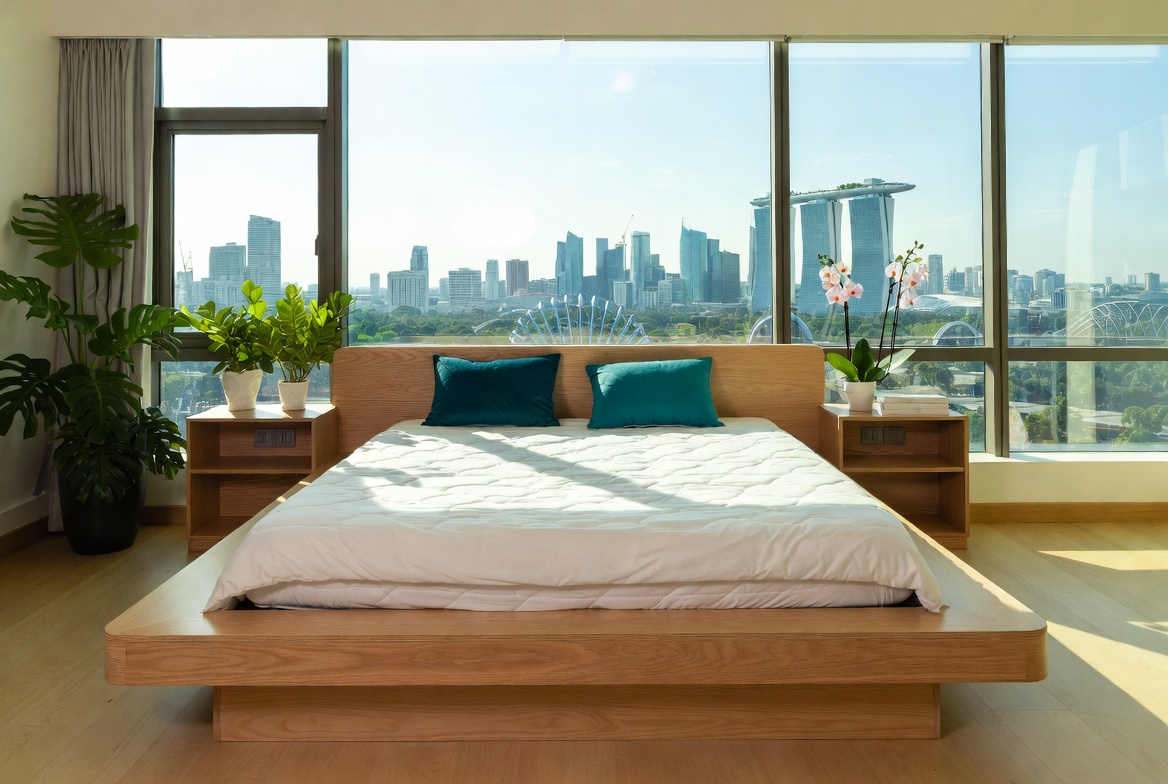
Okay, let’s get down to the nitty-gritty. In Singapore’s compact HDB flats and modern residences, the master bedroom often acts as a rest zone and more—somewhere to truly rest after hectic work shifts, catch up on reading, or even sneak in a quick work-from-home setup when needed. It’s very typical for local residents to feel limited by existing setups that seem too tight, lighting that’s too harsh, or bulky storage that reduces usable area, making the room feel more utilitarian than serene. That’s where thoughtful singapore mattress store makes the biggest impact—it centres around smart space planning, calming colour palettes, multifunctional furniture, and ambient and layered lighting to create a peaceful retreat that optimises relaxation while ensuring clutter-free airflow. Suddenly your bedroom becomes the place you can’t wait to reach at the after a long day, helping you relax quicker, achieve better quality sleep, and start mornings feeling revitalised for whatever the next day brings. Sites such as Wondrous La Vie offer plenty of real-life examples and easy connections to designers who specialise in these functional and stylish local bedroom renovations.. Singapore isn't exactly short on termite species. But the most common culprits you'll find munching on your furniture are subterranean termites and drywood termites. Knowing your enemy is half the battle, right?

Subterranean termites are the sneaky ones. They live in the ground and build mud tubes to reach wooden structures. These tubes act like highways, allowing them to travel from their colony to your display cabinet without being exposed to the open air. Imagine finding a mud trail snaking up your wall – not a pretty sight, is it? They prefer damp or decaying wood, so any moisture issues in your home can be like a welcome sign for these guys.

Drywood termites, on the other hand, are a bit more independent. They don't need soil contact and can establish colonies directly inside the wood they're infesting. This means your display cabinet itself could be their new home! They are harder to detect than subterranean termites, as they leave minimal external signs of their presence. You might only notice small piles of frass (termite droppings) near the infested wood. Think of it as sawdust, but definitely not the kind you want near your furniture.

So, why should you care about which type of termite is invading your home? Because the treatment methods differ! Identifying the species is crucial for effective termite control. Getting it wrong is like using the wrong key for the door – confirm cannot open, and you’ll just waste your time and money.

The Destructive Impact on Wooden Furniture

Alright, let's talk about the damage. Termites are masters of disguise, and they often work from the inside out, making it difficult to spot the infestation until it's too late. They feed on cellulose, which is the main component of wood. Local homeowners across the island often deal with particular difficulties when furnishing their homes, especially due to tight space constraints in HDB flats and condos and constant high humidity that affects furniture longevity. This is exactly why wise homeowners take their time to research carefully to achieve the perfect balance of price and durability. display cabinet proves to be a fantastic purchase that delivers both superior comfort and practicality. Always keep in mind that opting for cost-effective options in Singapore with responsive after-sales service ensures comprehensive support such as efficient island-wide delivery, professional-grade installation, and long-lasting warranties that deliver true long-term peace of mindthat lasts.. As they tunnel through your display cabinet, they weaken the structure, leaving it hollow and brittle.

Think about it: that beautiful display cabinet you carefully chose might start to sag, warp, or even collapse under its own weight. And it's not just about aesthetics; the structural integrity of your furniture is compromised, making it unsafe to use. Imagine putting your precious collectibles on a shelf, only for it to give way – nightmare scenario, right?

The cost of repairing or replacing termite-damaged furniture can be significant. Depending on the extent of the damage and the type of wood used, you could be looking at a hefty bill. And let’s not forget the emotional toll – the disappointment of losing a beloved piece of furniture, especially if it's an heirloom or a unique find. It's like losing a part of your home's story, you know?

Early Detection: Signs of Termite Infestation

Okay, so how do you know if you have a termite problem? Early detection is key to minimizing the damage and preventing a full-blown infestation. Keep an eye out for these telltale signs:

  • Mud tubes: These are the highways subterranean termites use to travel between their colony and their food source. Look for them along walls, foundations, and near wooden structures.
  • Frass (termite droppings): These small, pellet-like droppings are a sign of drywood termites. You might find them near infested wood, like your display cabinet.
  • Hollow-sounding wood: Tap on wooden surfaces, especially those that seem weak or damaged. If it sounds hollow, it could be a sign that termites have been tunneling inside.
  • Sagging floors or ceilings: This could indicate structural damage caused by termites.
  • Discarded wings: Termites swarm to mate and establish new colonies. After swarming, they shed their wings, which you might find near windows or doors.

Regular inspections are crucial, especially in areas prone to moisture or near wooden structures. Don't just glance; really look closely! Get down on your hands and knees, use a flashlight, and pay attention to any unusual signs. It might seem like a hassle, but it's worth it to protect your investment and your peace of mind. And remember, if you suspect a termite infestation, don't hesitate to call a professional pest control company. They have the expertise and equipment to accurately identify the type of termite and recommend the most effective treatment plan.

Preventative Measures to Protect Your Wooden Display Cabinets

Alright, now for the good stuff: how to protect your display cabinet from these pesky invaders. Prevention is always better than cure, right? Here are some practical steps you can take:

  • Maintain good ventilation: Termites thrive in damp environments, so good ventilation can help to keep your home dry and less attractive to them. Open windows regularly, use fans, and consider investing in a dehumidifier, especially in areas prone to moisture.
  • Reduce moisture: Fix any leaks in your roof, pipes, or drainage system. Ensure that your garden is properly drained and that water doesn't pool near your home's foundation.
  • After a long day squeezing onto the MRT and surviving meetings, most Singaporeans just want to come home to a space that feels welcoming and calm instead of adding to the stress. A messy living area or an uncomfortable bedroom can make relaxing even more difficult, especially when the kids and parents want to relax together. That’s where thoughtful renovations services really makes a difference—it turns everyday rooms like your living area, sleeping space, or kitchen area into true recharge spots that actually help you refresh your energy. With the right sofa, mattress, or clever layout, suddenly walking through the door feels so shiok, and small changes can bring massive difference to your mood and family time. Sites such as Wondrous La Vie make it more straightforward to explore options and get in touch with interior designers who get the the Singapore home vibe perfectly. This format lets you easily generate multiple SEO-optimised variations while keeping the core keyword "interior design" stable in the middle for strong on-page targeting..
  • Use treated wood: When buying new furniture, especially display cabinets, opt for treated wood that is resistant to termites. This can provide an extra layer of protection.
  • Regular inspections: As mentioned earlier, regular inspections are crucial. Check your display cabinet and other wooden furniture for any signs of termite activity. Pay particular attention to areas near the floor, walls, and corners.
  • Termite barriers: Consider installing termite barriers around your home. These can be physical barriers, such as mesh or concrete, or chemical barriers that repel or kill termites.
  • Professional termite control: Schedule regular termite inspections and treatments with a reputable pest control company. They can identify potential problems early and implement effective control measures.

Think of these measures as an investment in your home's long-term health and your furniture's longevity. It might seem like a bit of effort upfront, but it will save you a lot of headaches and money in the long run. Plus, knowing that you're doing everything you can to protect your home from termites will give you peace of mind, steady one.

Choosing the Right Materials for Your Display Cabinet

When you're shopping for a display cabinet, the material it's made from matters, a lot! Some woods are naturally more resistant to termites than others. Also, the construction process can add to the durability. Here’s a quick rundown:

  • Solid Wood: Generally, hardwoods like teak, mahogany, and cedar are more termite-resistant due to their density and natural oils. However, they can still be attacked, especially if they're not properly treated. Softwoods like pine are more susceptible to termite damage.
  • Plywood: The layers of wood are glued together, it's generally more resistant to warping and cracking than solid wood. However, the glue can sometimes attract termites. Look for plywood that has been treated with a termite-resistant chemical.
  • Particleboard/MDF: These are made from wood fibers that are glued together. They are generally less expensive than solid wood or plywood, but they are also more susceptible to termite damage. Avoid using particleboard or MDF in areas prone to moisture.

Also, consider the finish on your display cabinet. A good sealant can help protect the wood from moisture and make it less attractive to termites. Look for finishes that are specifically designed to repel insects.

Maintaining Your Display Cabinet to Prevent Termites

Once you've got your display cabinet, proper maintenance is key to keeping it termite-free. Here are some tips:

  • Keep it clean: Regularly dust and clean your display cabinet to remove any food particles or debris that might attract termites.
  • Avoid moisture: As mentioned earlier, moisture is a termite magnet. Wipe up any spills immediately and avoid placing your display cabinet in damp areas.
  • Check for cracks and crevices: Termites can enter your display cabinet through even the smallest cracks and crevices. Seal any openings with caulk or wood filler.
  • Move it occasionally: Moving your display cabinet occasionally can help to disrupt termite activity. It also allows you to inspect the area underneath and behind the cabinet for any signs of infestation.

By following these simple maintenance tips, you can help to keep your display cabinet termite-free and looking its best for years to come. It's all about being proactive and taking the necessary steps to protect your investment. After all, a little bit of effort can go a long way in preventing a termite infestation and preserving your precious furniture. Like that, can already!

Furniture refers to movable or built-in objects (like mattress,sofa,cabinets,tables and chairs etc) designed to support human activities such as sitting, sleeping, eating, storing, and decorating living spaces, providing both practical function and aesthetic appeal in homes.
Identifying Termite Infestation Signs in Display Cabinets

So, you've finally got your dream display cabinet, shiok! Maybe it's showcasing your prized collection of vintage toys, your wedding photos, or even just your growing collection of succulents. But have you ever stopped to think about the silent threat lurking in the shadows, ready to turn that beautiful piece of furniture into a termite buffet? Yeah, I'm talking about termites. These little buggers can cause serious damage, especially in our humid Singapore climate. Don't worry, lah, we're here to help you protect your precious display cabinet.

Why Termites Love Display Cabinets (and How to Stop Them)

Okay, let's be real. Termites aren't exactly picky eaters. But display cabinets, especially those made of wood, offer them a perfect combination of food and shelter. Think about it: many display cabinets are made from wood, offering a delicious cellulose buffet. Plus, they're often tucked away in corners or against walls, providing the dark, damp environment termites crave. And let's not forget the glue and other organic materials used in construction – extra dessert for these tiny terrors!

Now, you might be thinking, "My display cabinet is made of fancy hardwood, confirm termite-proof, right?" Not so fast. While hardwoods are more resistant than softwoods, no wood is completely immune. Termites are persistent and resourceful, and even the smallest crack or imperfection can be an entry point. Plus, the wood might be treated, but what about the backing, the shelves, or the trim? These are often made of less resistant materials.

So, what can you do? Well, knowledge is power. Understanding what attracts termites to your display cabinet is the first step in protecting it. Regular inspections, proper ventilation, and preventative treatments can go a long way in keeping these unwanted guests away. We'll dive into specific prevention strategies later, but for now, let's focus on spotting the signs of an infestation early.

The Usual Suspects: Signs of Termite Trouble

Alright, time to play detective. Knowing the signs of a termite infestation is crucial for early detection and preventing major damage to your display cabinet. Here's what to look out for:

  • Mud Tubes: These are probably the most obvious sign. Termites build these pencil-sized tubes made of mud, saliva, and droppings to travel from their colony to their food source (your display cabinet!). Look for them along walls, foundations, or even on the cabinet itself. They're like little termite highways.
  • Hollow Wood Sounds: Give your display cabinet a gentle tap. Does it sound hollow? That could mean termites have been munching away inside, creating empty spaces within the wood. It's like knocking on a drum – not a good sign!
  • Frass (Termite Droppings): Termites are messy eaters, and they leave behind tiny, granular droppings called frass. These droppings often resemble sawdust or coffee grounds and can be found near termite entry points or along the base of your display cabinet.
  • Visible Damage: This is the most obvious, but often the last sign you'll see. Look for blisters on the wood surface, crumbling wood, or small holes. If you can easily poke a screwdriver into the wood, you've got a problem.
  • Discarded Wings: During mating season, termite swarmers (winged termites) emerge from their colony to find a mate and start a new colony. After mating, they shed their wings. The main living area is typically the initial area visitors notice and where the kids and parents relax after dinner, so it feels right to want items that appears stylish, organises cables neatly, and keeps the area feeling open than it already is in typical Singapore homes. Many Singaporeans endure clunky legacy furniture or cheap units that feel unstable, collect dust easily, or just don’t match the modern vibe they’re trying to achieve. That’s exactly where a well-chosen singapore furniture shop steps in—it delivers sleek storage for TV gadgets, set-top boxes, and controllers while acting as a stylish focal point that brings the room together seamlessly with sharp modern edges, smart compartments, and premium finishes. SUDDENLY the TV area becomes organised and intentional, the space appears larger and more polished, and film evenings get way more fun without the disorder stealing attention. Browsing curated options on sites such as Wondrous La Vie helps you discover styles that suit your layout spot-on, from simple modern to high-end, so your living room upgrade feels effortless and spot-on.. Finding piles of discarded wings near your display cabinet is a strong indicator of a nearby termite colony.

Remember, termites are sneaky. They often work from the inside out, so you might not see any visible damage until the infestation is well advanced. That's why regular inspections are so important.

Where to Look: Prime Termite Hangout Spots

Okay, you know what to look for, but where should you be looking? Termites have their favorite spots, and focusing your inspections on these areas will increase your chances of catching an infestation early. Think of it as knowing where the best hawker stalls are lah – you go straight to the source!

  • The Base of the Cabinet: This is a prime entry point, especially if the cabinet is in contact with the floor. Termites often enter from the ground and work their way up.
  • Corners and Edges: These areas tend to be darker and more humid, creating a favorable environment for termites.
  • Areas Near Walls: Termites can travel along walls and use them as a bridge to reach your display cabinet.
  • Behind the Cabinet: This is often a neglected area, but termites can easily hide behind the cabinet and go unnoticed.
  • Any Cracks or Joints: These are weak points in the wood and can provide easy access for termites.
  • Areas with Poor Ventilation: Stagnant air and moisture create a welcoming environment for termites.

Don't just give these areas a quick glance. Use a flashlight and a screwdriver to thoroughly inspect them. Probe any suspicious areas to check for soft or hollow wood. And remember, be persistent! Termites can be masters of disguise.

Prevention is Better Than Cure: Keeping Termites Away

Alright, you've inspected your display cabinet and (hopefully) found no signs of termites. But that doesn't mean you can relax just yet. Prevention is key to keeping these pests away in the first place. Think of it as building a termite-proof fortress around your precious furniture. So how to protect your wooden display cabinets from termites in Singapore?

  • Regular Inspections: Make it a habit to inspect your display cabinet regularly, at least once a month. The earlier you catch an infestation, the easier it is to deal with.
  • Good Ventilation: Ensure proper ventilation around your display cabinet to prevent moisture buildup. Open windows and doors regularly to allow air to circulate. Consider using a dehumidifier in particularly humid areas.
  • Keep it Clean: Remove any food crumbs or spills from around the cabinet. Termites aren't attracted to food directly, but other pests that are can attract termites.
  • Seal Cracks and Gaps: Seal any cracks or gaps in the wood to prevent termites from entering. Use caulk or wood filler to fill in any holes.
  • Termite Barriers: Consider installing termite barriers around your home to prevent termites from entering in the first place. These barriers can be chemical or physical and are installed by professional pest control companies.
  • Treated Wood: When buying a new display cabinet, opt for furniture made from treated wood. This wood has been treated with chemicals that make it resistant to termites.

Remember, prevention is an ongoing process. By taking these simple steps, you can significantly reduce the risk of a termite infestation and protect your valuable display cabinet for years to come. And hey, a little effort now can save you a lot of heartache (and money!) down the road.

When to Call the Pros: Dealing with a Termite Infestation

Okay, so you've done everything you can to prevent termites, but you've still found signs of an infestation. Don't panic! While you might be tempted to try DIY termite control methods, it's often best to call in the professionals. Termites are notoriously difficult to get rid of, and a professional pest control company has the knowledge, experience, and equipment to effectively eliminate the infestation. Plus, they can identify the source of the problem and prevent future infestations. In Singapore’s non-stop life, returning home to a space that feels genuinely welcoming can make all the difference after a full day of work and commuting. Many homeowners begin looking at refreshes for their hall or master bedroom, hoping for pieces that feel premium while actually being comfortable enough for everyday living. That’s exactly why bed frame singapore stands out—it brings that ideal mix of elegant design, high-quality fabrics and finishes, and real ergonomic support that turns standard areas into places you genuinely look forward to unwinding in. Picture sinking into a plush sofa after dinner or waking up refreshed on a supportive premium mattress that gives ideal back support; suddenly, your home feels more like a true escape instead of just another place. Exploring curated selections on places like Wondrous La Vie helps you discover these pieces without the overwhelm, making it easier to create a space that’s both elegant and calming.. Think of it as calling a doctor when you're really sick – they have the expertise to diagnose and treat the problem properly.

Here's why calling a professional is often the best option:

  • Proper Identification: Different types of termites require different treatment methods. A professional can accurately identify the type of termite infesting your display cabinet and recommend the most effective treatment.
  • Effective Treatment: Professional pest control companies use specialized equipment and chemicals that are not available to the general public. These treatments are more effective at eliminating termites and preventing them from returning.
  • Safety: Termite control chemicals can be harmful if not used properly. A professional will have the training and experience to apply these chemicals safely and effectively.
  • Prevention: A professional can identify the source of the infestation and recommend preventative measures to prevent future infestations.

So, how do you choose a pest control company? Look for a company that is licensed, insured, and has a good reputation. Ask for references and read online reviews. Get multiple quotes and compare prices. And most importantly, choose a company that you feel comfortable with and that you trust to do the job right. After all, you're entrusting them with the safety of your home and your precious display cabinet!

Protecting your display cabinet from termites might seem like a daunting task, but it's definitely worth the effort. By understanding the signs of an infestation, taking preventative measures, and knowing when to call the pros, you can keep these unwanted guests away and enjoy your beautiful furniture for years to come. Steady lah!

Metal display cabinets: Preventing rust and corrosion in tropical climates (how_to)

Preventative Measures During Display Cabinet Purchase/Assembly

Wood Selection

Choosing the right wood is your first line of defense, especially here in Singapore where the humidity can be a real challenge. Opt for naturally termite-resistant wood types like teak, mahogany, or cedar for your display cabinet. These woods contain oils and compounds that termites find unappetizing, offering a degree of built-in protection. It might cost a bit more upfront, but think of it as a long-term investment in preserving your precious belongings and furniture, confirm can last longer like that.

Treated Timber

If your budget doesn't quite stretch to naturally resistant woods, consider treated timber for your display cabinet. Pressure-treated wood has been infused with chemicals that deter termites and other pests. Look for timber that has been treated with borate-based solutions, which are effective and relatively safe for indoor use. Just make sure the treatment is thorough and meets local Singaporean standards for pest control, so you know it's steady.

Protective Coatings

Applying a protective coating is like giving your display cabinet an extra layer of armor. Wood preservatives and termite-resistant coatings create a barrier that termites can't easily penetrate. Before assembling your cabinet, apply these coatings evenly to all surfaces, paying special attention to joints and edges. Remember to choose coatings that are specifically designed for indoor use and are safe for your family and pets, okay?

Sealant Application

Sealing all joints and edges of your display cabinet is crucial to prevent termites from sneaking in through tiny gaps. Use a high-quality sealant specifically designed for wood to close any potential entry points. After those long tiring days and the daily MRT squeeze, nothing beats coming home to a living room that actually encourages relaxation instead of piling on more tiredness. Many local homeowners realise their current seating just isn’t cutting it—too stiff, worn out, or simply not supportive enough for family movie time or easy family hangouts with the children. That’s precisely where singapore mattress truly shines—it blends classic elegance, buttery-soft fabrics, and smart comfort engineering so you can settle in deeply and fully chill without your spine protesting the next day. Imagine the kids and parents coming together effortlessly, talking during dinner or binge-watching shows, because the space now feels cosy and inviting. Finding the perfect piece through trusted sites like Wondrous La Vie takes the guesswork out, letting you discover that dream sofa that lifts the whole home atmosphere without the typical renovation stress.. This not only deters termites but also helps to prevent moisture from seeping into the wood, which can create a favorable environment for pests and decay. It's a small step that can make a big difference in the long run, you know?

Regular Inspection

Even with all the precautions, regular inspection is key to ensuring your display cabinet remains termite-free. Periodically check for signs of termite activity, such as mud tubes, discarded wings, or hollow-sounding wood. Early detection allows you to address any issues before they escalate into a full-blown infestation. If you spot something sus, call in the professionals lah, they know what to do one.

DIY Termite Prevention Strategies for Existing Cabinets

So, you’ve finally got your dream display cabinet, right? Maybe it’s filled with your prized collectibles, family photos, or that fancy tea set you only bring out for special occasions. But here’s the thing, especially in sunny Singapore, termites are a real concern. These little buggers can turn your beautiful wooden display cabinet into a buffet before you even realise it. Don't worry, though! Protecting your furniture doesn't have to be a massive headache. Let's dive into some easy DIY ways to keep those termites away from your precious display cabinet.

Identify Vulnerable Areas in Your Display Cabinet

First things first, you gotta know where termites like to hang out. Think of your display cabinet like a condo – there are certain spots that are more attractive to unwanted guests. Termites love dark, damp places. So, pay close attention to the cabinet's legs, the back panels (especially if they're against a wall), and any joints or corners. These are prime entry points.

Give your display cabinet a thorough check-up, lah. Look for small holes, mud tubes (those are termite highways!), or any areas where the wood seems soft or damaged. Sometimes, you might even see discarded wings near the cabinet – a telltale sign that termites have been partying nearby. Don't just focus on the outside; peek inside too! Empty the cabinet and check the shelves and interior walls. Remember, early detection is key. The sooner you spot a problem, the easier it is to deal with it before they cause too much damage to your wooden display cabinet.

Display cabinets come in all sorts of materials, from solid wood to plywood and even those with a laminate finish. While solid wood might seem like the most luxurious option, it can also be quite attractive to termites if it's not properly treated. Plywood and other engineered woods are sometimes less appealing to termites, but they're not immune. And even if the main structure is termite-resistant, those decorative wooden trims or legs could still be vulnerable. So, no matter what your display cabinet is made of, it's always a good idea to be vigilant. Think of it as giving your furniture a regular health check, steady?

Borate Solutions: A Natural Defense

Okay, let's talk about borate solutions. This stuff is like kryptonite for termites, but totally safe for you and your family when used properly. Borate is a natural mineral salt, and it works by disrupting the termites' digestive system. They eat it, and well, they can't digest their food. Not a pretty picture, but effective! You can find borate solutions at most hardware stores. Look for products specifically labeled for termite control or wood preservation.

Applying it is pretty straightforward. Just mix the borate powder with water according to the instructions on the packaging. Singapore homes can feel particularly tight after a hectic day of darting from work to meetings and battling the packed MRT, so it’s no wonder many homeowners yearn for a space that quickly helps you decompress the moment they enter their home. The hall often ends up as the central hub of family life, yet it’s easy for it to become overrun by random items or furniture that’s seen better days, leaving everyone dispersed rather than connected. That’s where bedroom furniture really makes the magic happen—it lifts the room to another level with refined arrangements, luxurious fabrics and surfaces, statement lighting, and seating that feels as good as it looks, creating an welcoming centre where family naturally comes together to chill, talk, or just spend quality time together. Nights at home start feeling richer, Sundays truly restorative, and getting home becomes a highlight rather than just the end of the day. Places like Wondrous La Vie make discovering such enhancements straightforward, helping you see and select the ideal features to create your dream living space that suits your daily life just right.. Then, using a brush or sprayer, apply the solution liberally to all the vulnerable areas of your display cabinet. Pay special attention to those legs, back panels, and joints we talked about earlier. You want to make sure the wood is thoroughly saturated. Let it dry completely before putting anything back inside the cabinet. This might take a few hours, so plan accordingly. It’s best to do this on a dry day, so the solution can properly soak into the wood. You might need to apply a second coat for extra protection, especially if you live in an area with a high termite population. Think of it as giving your display cabinet a nice, protective shield against those pesky invaders.

Now, a little cautionary note: always wear gloves and eye protection when working with borate solutions. While it's generally safe, it can cause skin or eye irritation in some people. And keep kids and pets away from the area until the solution is completely dry. Better to be safe than sorry, right? Also, remember that borate solutions are primarily a preventative measure. If you already have a serious termite infestation, you'll probably need to call in the professionals. But for keeping those little critters at bay, borate is a great, natural option. Plus, you can feel good knowing you're not using harsh chemicals in your home. It's a win-win!

Termite-Repellent Sprays: Chemical Barriers

If you're looking for a bit more oomph, termite-repellent sprays can be a good option. These sprays contain chemicals that are designed to kill or repel termites. They're readily available at most hardware stores and come in a variety of formulations. When choosing a spray, look for one that's specifically labeled for use on wood and that's safe for indoor use. Read the label carefully and follow the instructions to a T. You don't want to accidentally damage your display cabinet or expose yourself to harmful chemicals.

Before you start spraying willy-nilly, do a little prep work. Clear the area around your display cabinet and cover any nearby furniture or flooring to protect them from overspray. Wear gloves, eye protection, and a mask to avoid inhaling the fumes. Then, apply the spray evenly to all the vulnerable areas of the cabinet, just like you would with the borate solution. Pay attention to those legs, back panels, and joints. You might need to apply multiple coats, depending on the product and the severity of the termite risk. Let the spray dry completely before putting anything back inside the cabinet. And make sure to ventilate the room well during and after application. Open the windows and turn on a fan to help dissipate the fumes.

Termite-repellent sprays can be quite effective, but they're not a one-time fix. You'll need to reapply the spray periodically, according to the manufacturer's instructions. The frequency will depend on factors like the type of spray, the climate, and the level of termite activity in your area. Also, keep in mind that these sprays are chemicals, so use them responsibly. Don't overdo it, and always follow the safety precautions on the label. If you're concerned about the potential health effects of these chemicals, you might want to stick with the borate solution or consult with a pest control professional. Ultimately, the best approach is to weigh the pros and cons and choose the method that you're most comfortable with. After all, you want to protect your display cabinet without compromising your health or the environment, right?

Proper Ventilation and Humidity Control

Termites thrive in damp, humid environments. So, one of the best ways to prevent them from attacking your display cabinet is to keep the area around it well-ventilated and dry. This is especially important in Singapore, where the humidity can be crazy high, confirm can. Make sure your display cabinet isn't crammed against a wall or surrounded by clutter. Give it some breathing room so air can circulate freely. Open windows and doors regularly to ventilate the room. And if you have a dehumidifier, use it to keep the humidity levels in check. Aim for a humidity level below 60% to make your home less attractive to termites and other pests.

Pay attention to any sources of moisture near your display cabinet. Leaky pipes, condensation from air conditioners, or even damp floors can create the perfect conditions for termites to thrive. Fix any leaks promptly and wipe up any spills or condensation immediately. If your display cabinet is located in a basement or other damp area, consider using a vapor barrier to prevent moisture from seeping into the wood. You can also place moisture-absorbing packets or containers near the cabinet to help keep it dry. These packets are readily available at most home goods stores and are a cheap and easy way to combat humidity.

Regular cleaning is also important. Dust and dirt can trap moisture and provide a food source for termites. So, wipe down your display cabinet regularly with a dry cloth. And don't forget to clean the inside too! Remove any items from the cabinet and vacuum or dust the shelves and interior walls. This will help to remove any dust, dirt, or debris that could attract termites. By keeping your display cabinet clean, dry, and well-ventilated, you'll create an environment that's much less hospitable to these pesky critters. It's a simple but effective way to protect your furniture and keep your home pest-free. And hey, a clean display cabinet just looks nicer, doesn't it?

Regular Inspections and Maintenance

Think of regular inspections like going for your annual health check-up, but for your furniture. It's all about catching potential problems early before they become major headaches. Make it a habit to inspect your display cabinet at least once a month. Look for those telltale signs of termites: small holes, mud tubes, discarded wings, or soft spots in the wood. Pay special attention to the vulnerable areas we talked about earlier: the legs, back panels, and joints. If you spot anything suspicious, don't ignore it! Investigate further or call in a pest control professional for a proper assessment.

Maintenance is also key. Keep your display cabinet clean and free of dust and debris. Repair any cracks or damage to the wood promptly. And reapply borate solution or termite-repellent spray as needed, according to the manufacturer's instructions. If you live in an area with a high termite population, you might want to consider more frequent treatments. It's also a good idea to keep your yard free of wood debris, such as fallen branches or old firewood piles. These can provide a breeding ground for termites and increase the risk of infestation. By taking these simple steps, you can help to keep your display cabinet in good condition and protect it from termites for years to come. Think of it as an investment in the longevity and beauty of your furniture. After all, a well-maintained display cabinet is a happy display cabinet!

And here's a fun fact: Did you know that some types of wood are naturally more resistant to termites than others? Teak, cedar, and redwood, for example, contain oils and resins that repel termites. So, if you're planning to buy a new display cabinet, consider choosing one made from one of these termite-resistant woods. It's a bit like getting a vaccine for your furniture. But even if your display cabinet is made from a less resistant wood, don't despair! With proper care and preventative measures, you can still keep those termites at bay. It's all about being proactive and staying vigilant. You confirm can do it!

Regular Inspection

Conduct routine checks on your wooden display cabinets for signs of termite activity, such as mud tubes or damaged wood. Pay close attention to joints, corners, and areas in contact with the floor or walls. Early detection is crucial for effective termite control and preventing extensive damage.

Borate Treatment

Apply borate-based wood preservatives to your wooden display cabinets to protect them from termite attacks. Borate penetrates the wood fibers, making them toxic to termites and other wood-boring insects. This treatment is effective and relatively safe for humans and pets.

Proper Ventilation

Ensure adequate ventilation around your wooden display cabinets to prevent moisture buildup, as termites thrive in damp environments. Open windows regularly or use dehumidifiers to maintain a dry atmosphere. Good airflow helps deter termites and reduces the risk of infestation.

Use Termite-Resistant Wood

When selecting wood for display cabinets, opt for naturally termite-resistant species like teak or cedar. These woods contain oils and compounds that repel termites, providing a natural barrier against infestation. While more expensive, it offers long-term protection and peace of mind.

Professional Pest Control

Engage a reputable pest control company in Singapore for regular termite inspections and treatments. Professionals can identify hidden termite colonies and apply effective control measures to protect your display cabinets. Schedule routine visits to maintain a termite-free environment.

Professional Termite Control Services: When to Call

Okay, here's an HTML fragment based on your specifications. It's designed to be engaging, informative, and tailored to the Singaporean audience you've described. ```html

So, you've finally got your dream home in Singapore! Or maybe you're just giving your current place a much-needed refresh. Either way, you've probably invested in some lovely furniture, right? And if you're anything like me, you've got at least one beautiful wooden display cabinet showcasing your prized possessions – maybe your collection of vintage teacups, your travel souvenirs, or even just your family photos. They really add a touch of class, don't they?

But here's the thing: Singapore's hot and humid climate, while great for growing orchids, is also perfect for termites. These tiny critters can wreak havoc on your wooden furniture, especially your beloved display cabinets. And trust me, discovering a termite infestation is *not* a pleasant experience. It's a real headache, and the damage can be surprisingly extensive (and expensive!) before you even realise they're there. So, how do you protect your wooden display cabinets from these silent destroyers? Let's dive in!

Understanding the Termite Threat to Your Display Cabinet

Okay, let's get real for a second. Termites in Singapore are *serious*. They're not just a nuisance; they can cause significant structural damage to your home and, of course, your furniture. And wooden furniture, especially display cabinets, are like a buffet for them. The warm, humid environment inside your home provides the perfect conditions for them to thrive, and your wooden display cabinet? Well, that's just dessert! It’s important to know what you’re up against.

There are a few different types of termites in Singapore, but the most common culprits are subterranean termites. These guys live underground and build mud tubes to reach their food source – which could very well be your display cabinet. They prefer softwoods, but they're not picky eaters; they'll happily munch on hardwoods, too, if given the chance. And they work *fast*. A large colony can consume a significant amount of wood in a relatively short period. Think of it like this: you leave for a holiday, come back, and suddenly your display cabinet looks like it's been through a wood-chipper. Not fun, right?

Now, you might be thinking, "My display cabinet is made of solid wood; it should be safe." And while solid wood is generally more resistant to termites than, say, particleboard, it's still not immune. No wood is completely termite-proof, especially in Singapore's climate. Even if your display cabinet is made of high-quality materials like teak or mahogany, which are naturally more resistant, preventative measures are still essential. Better to be safe than sorry, *lah*!

And it's not just about the type of wood. The design of your display cabinet also plays a role. Cabinets with intricate carvings or joints can provide termites with more entry points and hiding places. So, what can you do? Let's explore some practical steps you can take to protect your precious display cabinet.

Preventive Measures: Creating a Termite-Unfriendly Environment

Alright, prevention is always better than cure, right? Especially when it comes to termites. The best way to protect your wooden display cabinet is to create an environment that's less attractive to these pests in the first place. Think of it as making your home a "no-termite zone." How? Here are a few things you can do:

  • Ventilation is Key: Termites love damp, dark places. So, make sure your home is well-ventilated. Open your windows regularly, especially in areas where you have wooden furniture. Use fans or dehumidifiers to reduce humidity levels, especially during the rainy season. Airflow is your friend!
  • Keep Things Clean: Regularly clean your home, paying special attention to areas around your wooden display cabinet. Vacuum or sweep up any wood shavings or debris that might attract termites. Don't give them a reason to come sniffing around.
  • Proper Storage: Avoid storing cardboard boxes or newspapers near your wooden furniture. These materials can attract termites and provide them with a food source. Store these items in sealed plastic containers instead. Think of it as keeping your home "termite-tidy."
  • Monitor Moisture: Fix any leaks or plumbing issues promptly. Termites are attracted to moisture, so a leaky pipe or a damp wall can be an invitation for them to move in. Check under sinks, around toilets, and near your air conditioning units for any signs of moisture.
  • Sunlight is Your Ally: Termites don't like direct sunlight. So, if possible, position your wooden display cabinet in a location where it gets some sunlight during the day. This can help to deter termites from setting up shop.

These simple steps can go a long way in preventing a termite infestation. It's all about making your home less appealing to these pests. Think of it as creating a "termite-resistant" zone around your display cabinet. And remember, consistency is key! Make these practices a part of your regular home maintenance routine.

DIY Termite Treatments: Are They Enough?

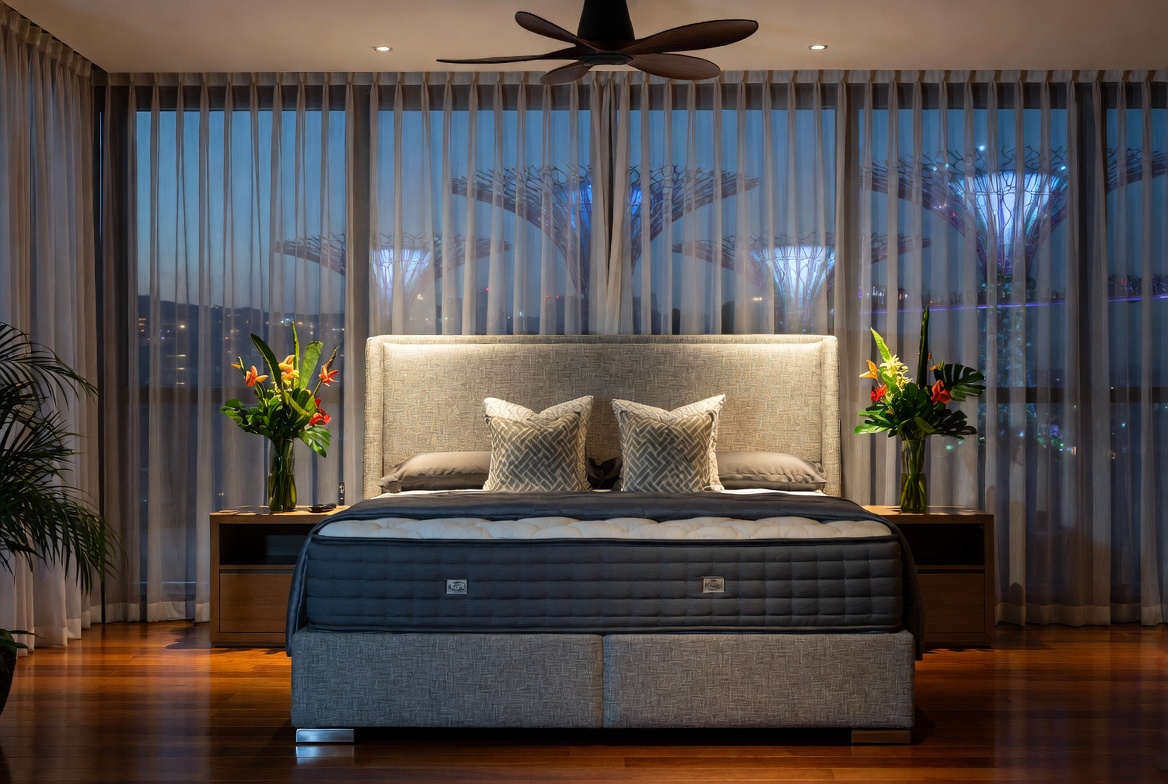
Okay, so you've taken all the preventive measures, but you're still a little worried. In Singapore’s humid weather and high-stress lifestyle, getting proper shut-eye can feel like a rare treat when you’re starting the day with aches or dragging through the morning despite going to sleep on time. Many Singapore homeowners put up with an old, sagging mattress for years because looking for a new one seems overwhelming—endless options, confusing firmness levels, and concerns it might not fit their body type and sleep style. That’s exactly why finding the singapore furniture store transforms your nights—it offers the perfect combination of firm yet forgiving support, excellent airflow and cooling, even weight distribution, and durability so you actually wake up alert and pain-free instead of stiff and tired. Mornings suddenly feel lighter, energy holds up better throughout the day, and even your partner notices the difference. Browsing curated options on platforms like Wondrous La Vie makes it far easier, letting you see highly recommended options with genuine homeowner reviews and realistic images to match what truly works for your master bedroom.. Maybe you've seen a few suspicious-looking mud tubes near your display cabinet, or perhaps you've just got that nagging feeling that something's not quite right. Can you handle a termite problem yourself?

There are a number of DIY termite treatments available on the market, from sprays and foams to baits and repellents. These products can be effective for small, localized infestations. For example, if you see a few termites crawling around a small area of your display cabinet, you might be able to treat the area with a termite spray. But here's the thing: these treatments often only kill the termites you can see. They don't address the underlying colony, which could be much larger and more extensive than you realize.

Think of it like this: you're only treating the symptoms, not the disease. The termites might disappear for a while, but they'll likely come back eventually. And in the meantime, they're continuing to cause damage to your wooden display cabinet. Plus, some DIY treatments can be harmful to your health or the environment if not used properly. It's important to read the instructions carefully and take all necessary precautions.

Also, let's be honest *lah*, identifying the type of termite and the extent of the infestation can be tricky for the average homeowner. You might think you're dealing with a minor problem when, in reality, you're facing a full-blown termite invasion. And if you misdiagnose the problem or use the wrong treatment, you could end up making the situation worse. So, when is it time to call in the professionals?

When to Call Professional Termite Control Services

Alright, let's talk about when it's time to bring in the big guns. Sometimes, despite your best efforts, a termite infestation is just too big or too complex to handle on your own. And that's perfectly okay! There's no shame in calling in the professionals. In fact, it's often the most effective and cost-efficient solution in the long run.

So, how do you know when it's time to call a termite control company? Here are a few telltale signs:

  • Extensive Damage: If you notice significant damage to your wooden display cabinet, such as large holes, crumbling wood, or sagging floors, it's a clear sign of a serious termite infestation. Don't wait; call a professional immediately.
  • Mud Tubes: These are the telltale signs of subterranean termites. They're small, pencil-sized tubes made of mud and saliva that termites use to travel between their colony and their food source. If you see mud tubes on your walls, foundation, or near your wooden furniture, it's time to call a professional.
  • Swarming Termites: These are winged termites that emerge from their colony to mate and establish new colonies. If you see swarming termites in or around your home, it's a sign that there's a mature termite colony nearby.
  • Unexplained Wood Dust: This is also known as "frass." It's the excrement of drywood termites, and it looks like fine wood dust. If you see piles of frass near your wooden display cabinet, it's a sign that you have drywood termites.
  • You're Just Not Sure: Sometimes, you might not see any obvious signs of termites, but you still have a nagging feeling that something's not right. Maybe you've heard strange noises coming from your walls, or perhaps you've just noticed a slight change in the appearance of your wooden furniture. If you're unsure, it's always best to err on the side of caution and call a professional for an inspection.

A professional termite control company can conduct a thorough inspection of your home to determine the extent of the infestation and recommend the most appropriate treatment plan. They have the expertise, equipment, and products to effectively eliminate termites and prevent them from returning. Plus, they can offer warranties and guarantees to protect your investment. It's like having a "termite bodyguard" for your home!

Termite Treatment Options in Singapore: Weighing Costs and Effectiveness

Okay, so you've decided to call a professional termite control company. Now what? Well, the first step is usually an inspection. The termite control specialist will come to your home and conduct a thorough inspection to identify the type of termite, the extent of the infestation, and the areas that are most vulnerable. Then, they'll recommend a treatment plan that's tailored to your specific needs. But what are your options, *leh*?

Here are some of the most common termite treatment options available in Singapore:

  • Soil Treatment: This involves injecting a termiticide into the soil around your home's foundation. This creates a barrier that prevents termites from entering your home from the ground. It's a common and effective treatment for subterranean termites.
  • Wood Treatment: This involves applying a termiticide directly to the wood in your home, such as your wooden display cabinet. This can be done by spraying, brushing, or injecting the termiticide into the wood. It's a common treatment for drywood termites.
  • Baiting Systems: These involve placing termite bait stations around your home. The termites feed on the bait and carry it back to their colony, eventually killing the entire colony. Baiting systems are a more environmentally friendly

Creating a Termite-Unfriendly Environment

So, you've finally got your dream display cabinet. Maybe it's showcasing your prized collection of figurines, your travel souvenirs, or even just adding a touch of elegance to your HDB flat. But here's the thing about living in Singapore: termites. These little buggers can turn your beautiful wooden furniture into their next all-you-can-eat buffet. Don't worry, though! Protecting your display cabinet from these unwanted guests isn't rocket science. Let's dive into how you can create a termite-unfriendly environment and keep your precious display cabinet safe and sound.

Understanding the Enemy: Why Termites Love Display Cabinets

First things first, let's understand what attracts termites to your display cabinet in the first place. It's not just the wood, you know? Termites are drawn to moisture, darkness, and, of course, cellulose – which is the main component of wood. Display cabinets, especially those made of wood, offer all three! Think about it: your cabinet sits against a wall, potentially trapping moisture. It's often in a dimly lit area, and it’s made of their favourite food. Talk about hitting the jackpot for them, right?

Now, when we talk about display cabinet materials, some are more susceptible than others. Softwoods, like pine, are termite magnets. Hardwoods are better, but even they aren't completely immune. And those fancy veneer finishes? Termites can tunnel right through them to get to the wood underneath. So, knowing what your display cabinet is made of is the first step in defending it. Choosing termite-resistant woods during your furniture selection process confirm can make a difference.

It's also worth noting that Singapore's humid climate makes things even worse. The constant humidity creates the perfect breeding ground for termites. You might not even realize you have a problem until it's too late. That’s why preventative measures are so important, especially if you're living on a lower floor or near a green space. Ever notice how some older buildings seem to have more termite issues? It's often because of accumulated moisture over time. So, let's get proactive, okay?

Moisture is the Enemy: Keeping Your Display Cabinet Dry

Alright, so we know termites love moisture. The next step is to minimize moisture around your display cabinet. This is super important, especially during the rainy season. One key strategy is to improve ventilation. Make sure there's enough space between your display cabinet and the wall. This allows air to circulate and prevents moisture from getting trapped. Even a few inches can make a difference, believe it or not. You can also consider using a dehumidifier in the room, especially if you live in a particularly humid area. These little machines can work wonders in keeping the air dry and comfortable.

Another thing to watch out for is water spills. Accidents happen, lah, but make sure to clean up any spills near your display cabinet immediately. Water can seep into the wood and create a perfect environment for termites. And while we're on the topic of water, check for any leaks in your walls or ceiling. Even a small leak can provide enough moisture for termites to thrive. If you spot any leaks, get them fixed ASAP. It's better to be safe than sorry, right?

Here's a little tip: consider placing moisture-absorbing products, like silica gel packets, inside your display cabinet. These packets can help absorb any excess moisture and keep the inside of your cabinet dry. You can find them easily at most hardware stores or even online. They’re a cheap and effective way to protect your precious items and the cabinet itself. Think of it as a little insurance policy for your furniture.

Cleanliness is Key: Maintaining a Termite-Free Zone

Now, let's talk about cleanliness. A clean environment is a termite-unfriendly environment. Regularly clean your display cabinet, both inside and out. Dust and debris can trap moisture and provide a food source for termites. Use a soft cloth and a mild cleaning solution to wipe down the surfaces. With Singapore’s HDB and condo layouts and humid climate, finding furniture pieces that’s both elegant yet functional can feel like a never-ending hunt—especially when you are looking for furniture that last through the years without fading or wearing out. Many busy homeowners end up going with budget furniture that seem fine on websites but fall short in person—either too flimsy for everyday household wear or not cool enough for our climate. That’s why visiting a reliable singapore furniture showroom curated through Wondrous La Vie really stands out—it connects you directly with carefully chosen ranges of quality sofas, high-quality sleep surfaces, dining furniture, and more, with authentic showroom views or realistic images so you can have peace of mind about what fits your HDB, condo, or landed space. You get that confidence knowing the pieces are designed with SG homes in mind—resilient construction, space-smart dimensions, and styles that truly make coming home feel good. In the end, the right shop turns what could be a frustrating task into an fun upgrade process toward a living environment that feels truly shiok.. Avoid using harsh chemicals, as they can damage the wood. And don’t forget to clean the area around the cabinet as well. Sweep or vacuum regularly to remove any dust or debris that might be lurking there.

It's also a good idea to declutter the inside of your display cabinet regularly. Overcrowding can restrict airflow and create a damp environment. Remove any items that you don't need or use, and arrange the remaining items in a way that allows for good ventilation. This not only helps prevent termites but also makes your display cabinet look more organized and appealing. Win-win, right?

Another often overlooked area is the base of your display cabinet. Termites often enter homes through the ground, so it's important to keep the base of your cabinet clean and dry. Vacuum or sweep the area regularly, and consider placing a barrier, like a piece of plastic or metal, between the cabinet and the floor. This can help prevent termites from crawling up into your cabinet. Small effort, big protection, leh!

Regular Inspections: Catching Problems Early

Even if you're diligent about keeping your display cabinet dry and clean, it's still important to conduct regular inspections. Termites are sneaky, and they can sometimes go undetected for a long time. Look for signs of termite activity, such as mud tubes, hollow-sounding wood, or discarded wings. Mud tubes are small, earthen tunnels that termites build to travel from their nest to their food source. They often appear on walls or along the base of furniture. If you see any mud tubes, it's a clear sign that you have a termite problem.

Hollow-sounding wood is another sign of termite damage. Tap on the wood of your display cabinet, and listen for a hollow sound. If the wood sounds hollow, it means that termites have likely eaten away at the inside. Discarded wings are another telltale sign. Termites shed their wings when they swarm, so if you find a pile of wings near your display cabinet, it's a good indication that you have a termite infestation. If you spot any of these signs, don't panic! Call a professional pest control company right away. They can assess the situation and recommend the best course of action. It's better to address the problem early before it gets out of hand.

Consider scheduling professional termite inspections every year or two, especially if you live in an area with a high termite population. These inspections can help detect termite activity early on, before it causes significant damage. And hey, peace of mind is worth something, right? Think of it as a regular health check-up for your home, like that. Steady pom pi pi, as they say!

Choosing the Right Wood: Prevention Starts at the Store

Finally, when you're buying a new display cabinet, consider the type of wood it's made of. As mentioned earlier, some woods are more termite-resistant than others. Teak, cedar, and redwood are naturally resistant to termites due to their oils and resins. These woods are a great choice if you're looking for a long-lasting and termite-resistant display cabinet. However, they can be more expensive than other types of wood.

If you're on a budget, you can also consider treated wood. Treated wood is wood that has been chemically treated to make it resistant to termites and other pests. This is a more affordable option than naturally termite-resistant woods. Just make sure to choose a treatment that is safe for your family and pets. Look for certifications and labels that indicate the treatment is environmentally friendly.

And don't forget about the finish! A good finish can help protect your display cabinet from moisture and termites. Choose a finish that is durable and water-resistant. Polyurethane and varnish are good options. Make sure to apply the finish evenly and allow it to dry completely before placing anything inside your cabinet. A little extra effort during the selection and setup can save you a lot of headaches down the road. After all, your display cabinet is more than just a piece of furniture; it's a showcase of your style and memories. Protect it well, lah!

Regular Inspection and Maintenance Routines

Okay, let's be real. You've just gotten your beautiful new place, maybe a cozy BTO flat, and you’re filling it with furniture that reflects you. That lovely furniture, especially your stunning wooden display cabinet, is more than just storage; it's a statement piece. But here’s the thing no one really tells you upfront: termites. These little buggers can be a real pain, especially in humid Singapore. But don't worry, protecting your precious display cabinet isn't rocket science. It just takes a little bit of diligence and a regular routine.

Why Regular Checks Matter

Think of it like this: you wouldn't skip your annual health check-up, right? Your wooden display cabinet deserves the same level of care. Termites are sneaky. They work from the inside out, so by the time you *see* obvious damage, they might have already thrown a party in your furniture for months! Early detection is key to preventing a full-blown infestation, which can save you a lot of heartache (and money!) in the long run. Plus, who wants to deal with the hassle of replacing a beloved display cabinet? Not me, lah! Regular inspections allow you to catch the early warning signs – a small mud tube here, a bit of frass (termite droppings) there – before things get out of hand. It's like nipping the problem in the bud, steady one.

But it's not just about the termites. Regular checks also give you a chance to spot other potential issues, like water damage or mold growth, which can also wreak havoc on wooden furniture. So, by keeping a close eye on your display cabinet, you're essentially giving it a spa day… but instead of cucumber slices, it's all about preserving its structural integrity!

Creating Your Termite-Spotting Checklist

Alright, so how do you actually *do* this inspection thing? Don't worry, it's not as daunting as it sounds. Think of it as a mini-treasure hunt, but instead of gold, you're looking for signs of unwelcome guests. Here’s a simple checklist to get you started:

  • Visual Inspection: Start with a good, old-fashioned visual once over. Grab a flashlight (your phone's will do!) and carefully examine all surfaces of your wooden display cabinet, inside and out. Pay close attention to corners, joints, and areas where the cabinet meets the floor or wall. Look for:
    • Mud tubes: These are small, earthy-looking tunnels that termites build to travel from their nest to their food source (your display cabinet!). They're usually brown or dark brown in color.
    • Frass: This is basically termite poop. It looks like tiny, granular pellets and is often found near termite entry points.
    • Damaged wood: Look for soft spots, blisters, or hollow sounds when you tap on the wood.
    • Changes in paint or varnish: Uneven paint or varnish can sometimes indicate termite activity underneath.
  • Tap Test: Gently tap on different parts of the display cabinet with a screwdriver handle or a small hammer. A hollow sound can indicate that termites have been munching away inside.
  • Moisture Check: Termites love moisture, so check for any signs of leaks or dampness around the display cabinet. This is especially important if your cabinet is near a water source, like a bathroom or kitchen.
  • Surrounding Areas: Don't just focus on the display cabinet itself. Inspect the surrounding walls, floors, and skirting boards for any signs of termite activity. Remember, termites can travel quite a distance to find food!

Now, how often should you do this? Ideally, aim for a monthly inspection, especially during the wetter months in Singapore when termites are more active. But even a quarterly check is better than nothing. Set a reminder on your phone or calendar so you don't forget. Once you get into the habit, it'll become second nature, like remembering to tap your EZ-Link card on the bus!

What to Do If You Find Something

Okay, so you’ve done your inspection and… uh oh. You think you might have found something suspicious. Don't panic! The first thing to do is confirm your suspicions. Take a picture of what you found and compare it to images of termite damage online. Singaporeans are always on the lookout for intelligent ways to revamp their interiors without breaking the bank, especially when HDB renovations or condo makeovers can already take a hefty slice of the household funds. Between rising costs and the wish for a comfier, better-organised environment, many Singapore homeowners hold off for the perfect moment to improve couches, beds, and dining furniture that actually improve home living noticeably. That’s when jumping on bed promotions becomes a total win—it lets you secure premium quality furniture at real value reductions, often with added perks like no-delivery-fee, extended warranties, or combo savings that maximise your budget. SUDDENLY it becomes possible to get that dream couch on your wishlist or a better back-supporting bed without the second thoughts, turning your home into an truly welcoming retreat for bonding and rest after long workdays. Checking platforms like Wondrous La Vie keeps you in the loop on the newest promotions, so you can review, see in 3D, and snap up the greatest value offers that match your lifestyle and interior perfectly.. If you're still unsure, it's always best to call in the professionals. Pest control companies in Singapore are experienced in identifying and treating termite infestations. Don't try to tackle the problem yourself, as you could end up making it worse. They will know what to do, confirm can!

Even if you don't find anything, it's still a good idea to consider preventative measures. Things like applying a termite-resistant sealant to your wooden display cabinet, keeping the area around it clean and dry, and ensuring proper ventilation can all help to deter termites. Think of it as building a little fortress around your furniture. And remember, a little bit of effort now can save you a whole lot of trouble (and money!) later. So, go forth and protect your beautiful display cabinet! Your future self will thank you for it.

Check our other pages :

Frequently Asked Questions


Termites are attracted to wood, moisture, and darkness. In Singapore, humidity levels and the presence of wooden structures make homes susceptible to termite infestations.
Look for signs like mud tubes, hollow-sounding wood, discarded wings, and frass (termite droppings). Pay close attention to joints and areas near the floor.
Keep the area around your cabinets dry and well-ventilated. Consider using termite-resistant wood polishes or applying borate solutions to the wood.
If you find extensive termite damage or are unsure about DIY treatments, its best to consult a professional pest control service for effective and safe termite eradication.
Yes, certain types of wood like teak and mahogany are naturally more resistant to termites. Consider these options when purchasing or building display cabinets.
Singapores hot and humid climate creates an ideal breeding ground for termites, increasing the risk of infestations in wooden furniture and structures.
While some insecticides may kill termites on contact, they often dont eliminate the entire colony. Professional treatments are usually more effective for long-term control.
Ensure proper soil treatment before construction, use termite-resistant building materials, and maintain good ventilation to minimize moisture buildup.